Best Controlled Release Fertilizer for Effective Plant Growth?
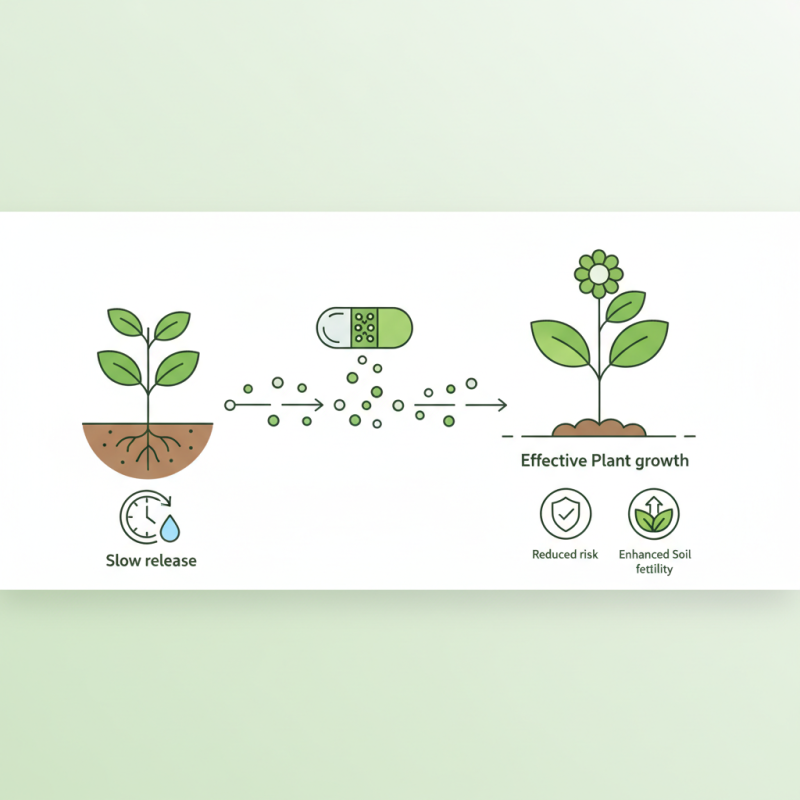
Choosing the right fertilizer is crucial for plant growth. Among various types, Controlled Release Fertilizer proves highly effective. This fertilizer type releases nutrients slowly, supplying plants with what they need over time. It reduces the risk of over-fertilization, making it a safer option.
Farmers and gardeners are often overwhelmed by options. However, understanding Controlled Release Fertilizer helps make informed choices. The right product can enhance soil fertility and promote stronger, healthier plants.
Inconsistent application methods can lead to poor results. Many struggle to find the balance between growth and sustainability. Identifying reliable brands and formulations is essential. Consider your plants’ specific needs and local conditions. Reliable research and user experiences provide valuable insights in this decision-making process.
Best Controlled Release Fertilizer: Overview of Types and Benefits
Controlled release fertilizers (CRFs) are designed to provide nutrients to plants over an extended period. They help in maintaining consistent nutrient levels, which is essential for robust plant growth. Different types of CRFs include polymer-coated, sulfur-coated, and organic blends. Each type has its unique way of releasing nutrients, catering to varying plant needs and environmental conditions.
The benefits of using CRFs are significant. They reduce the frequency of application, saving time and labor. Moreover, CRFs minimize nutrient leaching, which can harm the environment. By releasing nutrients gradually, they ensure that plants can absorb them effectively. However, one should not overlook potential challenges. Over-reliance on these fertilizers might lead to nutrient imbalances if not monitored properly. It’s crucial to assess soil health before application.
Achieving effective plant growth with CRFs involves understanding your plants and environment. Not all plants respond the same way. Soil type, moisture levels, and temperature can affect nutrient release. Observing these interactions can reveal valuable insights. This approach encourages a thoughtful practice in gardening, highlighting the importance of tailored fertilization methods.
Mechanisms of Action: How Controlled Release Fertilizers Work
Controlled release fertilizers (CRFs) provide a steady nutrient supply for plants. These fertilizers release nutrients gradually, matching plant uptake rates. This mechanism prevents nutrient leaching and minimizes environmental impact.
The effectiveness of CRFs lies in their coating materials. These coatings can be made from polymers or other materials. The release rate depends on temperature, moisture, and microbial activity. For example, higher temperatures can increase the release rate, which may not always suit every plant.
While CRFs have advantages, they aren't without flaws. Improper application can lead to nutrient imbalances. Some plants may require immediate bursts of nutrients. In such cases, traditional fertilizers might perform better. The choice of CRFs should be tailored to specific plant needs and environmental conditions. Understanding both advantages and limitations is key to effective plant growth.
Key Nutrients: Essential Elements for Optimal Plant Growth
Plants require essential nutrients for optimal growth. These nutrients can be divided into macronutrients and micronutrients. Macronutrients include nitrogen, phosphorus, and potassium. Each plays a critical role in plant health. Nitrogen promotes lush foliage, while phosphorus aids root development and flowering. Potassium enhances overall plant vigor.
Micronutrients, although needed in smaller amounts, are equally important. Iron, manganese, and zinc support various physiological functions. Iron is vital for chlorophyll production, helping plants create food through photosynthesis. Manganese aids in enzyme functions, while zinc supports plant hormone production.
The balance of these nutrients is crucial. Too much of a nutrient can hinder growth. For instance, excessive nitrogen can lead to lush foliage but weak stems. This imbalance prompts reflection on fertilizer use. Controlled release fertilizers can help manage nutrient supply over time. They release nutrients gradually, reducing the risk of over-fertilization. In conclusion, understanding key nutrients is essential for effective plant growth.
Comparative Analysis: Industry Standards and Efficacy Studies
In recent years, the use of controlled release fertilizers (CRFs) has gained traction in agriculture. Studies show that CRFs improve nutrient efficiency and minimize leaching. A report from the International Fertilizer Association indicates that optimal use of CRFs can enhance plant growth by up to 30%. This increase is crucial for sustainable agriculture.
Research highlights various formulations and their impact on plant health. For instance, a study published in the Journal of Plant Nutrition found that certain CRFs release nutrients over several months, aligning with plant absorption patterns. This timing is vital for maximizing plant uptake and reducing waste. However, not all CRFs perform equally. Some formulations may lead to nutrient imbalances, affecting crop yield negatively.
Moreover, the choice of soil type significantly influences CRF efficacy. Clay soils, for example, retain moisture better but can impede nutrient release. This complexity necessitates a deeper understanding of soil-CRF interactions. While CRFs promise numerous benefits, farmers must approach their application thoughtfully, considering local soil conditions and crop needs to achieve optimal results.
Environmental Impact: Sustainability and Soil Health Considerations
The use of controlled-release fertilizers is becoming increasingly important in sustainable agriculture. Studies show that properly formulated fertilizers can reduce nutrient loss. According to research by the International Fertilizer Association, up to 30% of applied nutrients may be lost through leaching and runoff. This not only diminishes soil fertility but also pollutes water bodies.
Moreover, sustainability and soil health are closely linked. A report from the Food and Agriculture Organization emphasizes the need for fertilizers that improve soil structure and microbial activity. Controlled-release options can provide nutrients over extended periods, minimizing the frequency of application. This practice not only lowers labor costs but also encourages productive soil ecosystems. However, there is a nuanced debate about balancing efficiency and potential environmental impacts.
Many farmers report mixed results with controlled-release fertilizers. Some indicate that while these products can improve yields, they may also require adjustments in application rates. The variability in soil types and climatic conditions further complicates this. Stakeholders need ongoing research to refine these products, ensuring they contribute positively to both plant growth and environmental health.
Best Controlled Release Fertilizer for Effective Plant Growth
This bar chart illustrates the nutrient release duration of various fertilizer types used in sustainable agriculture. Controlled release fertilizers, such as those providing up to 90 days of nutrient release, contribute positively to plant growth and soil health, minimizing environmental impact.