Superabrasive

7 Best Feed Pellet Mills for Sale in 2026

Choosing a Feed Pellet Mill in 2026 is about more than motor power or advertised capacity. Buyers need equipment that suits their ingredients, daily output, and available labor. A small farm mixing grain in a shed has different needs from a commercial mill running long shifts. The right machine should make consistent pellets without turning maintenance into a second job.

The scale of feed production helps explain why this choice matters. Alltech’s 2024 Agri-Food Outlook estimated global feed production at 1.396 billion metric tons in 2023, drawing on data from 142 countries. That figure covers feed production, not pellet mill sales, but it shows the size and diversity of the industry. FAOSTAT livestock data also provide useful context on regional animal production and changing feed needs. Still, national averages cannot predict what one farm should buy.

Pellet quality depends on more than the machine. Moisture, grind size, die condition, and operator settings all affect durability and output. A shiny pellet can still crumble in the bag. That happens. This guide compares seven feed pellet mills for sale in 2026, focusing on practical factors such as capacity, power requirements, die options, and maintenance access. Specifications vary by model and material, so treat published output figures as estimates—not guarantees. The best choice is the one that fits your actual feed recipe and workload, not simply the largest number on a product page.
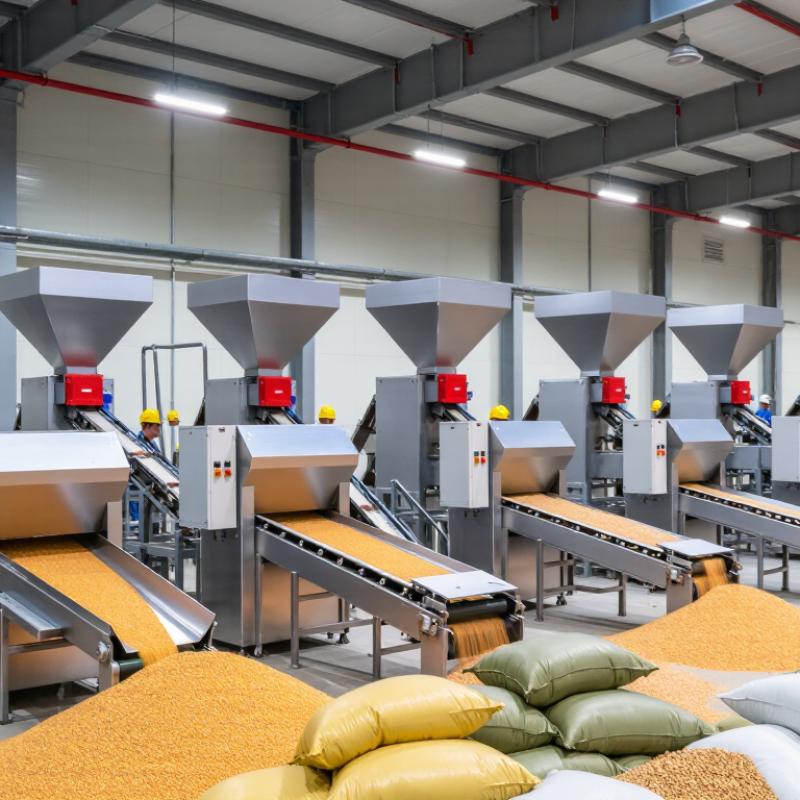
7 Best Feed Pellet Mills for Sale in 2026

How Feed Pellet Mills Work and What They Produce

A feed pellet mill turns a mixed, ground mash into compact feed. Ingredients are weighed and blended before entering a conditioner, where steam adds heat and moisture. The conditioned mash passes between rollers and a perforated die. Pressure forces it through the die holes; knives trim the emerging strands to length. Small changes matter. Moisture, particle size, die settings, and ingredient mix all affect pellet quality.

The 2024 Agri-Food Outlook estimated global feed production at about 1.29 billion metric tonnes in 2023. That scale helps explain why consistent processing matters, but a large mill is not automatically the right choice for every operation. Capacity should match daily production needs, while conditioning and cooling systems should suit the formula and local operating conditions.

Pellet mills produce different diameters and lengths for different animals and life stages. Pellets may be cooled, screened, and sometimes broken into crumbles; fines can be returned for reprocessing. A shiny surface can look reassuring. It is not enough. Buyers should also check pellet durability and fines after handling, because transport can break weak pellets apart. Results vary with feed ingredients and machine settings, so trial runs and routine quality checks are worth the time.

Types of Feed Pellet Mills Available in 2026

Feed pellet mills mainly use flat dies or ring dies, and the difference shows up at the die, not in a sales label. A flat-die mill presses material through a horizontal plate with rollers above it. Its compact frame suits small farms, trial batches, and workshops processing modest volumes. Operators can often change the die without a large service crew. Ring-die mills feed mash through a rotating cylindrical die, making them a common choice for continuous, higher-throughput production. They need more floor space and careful adjustment. Both designs rely on suitable grinding, moisture control, and conditioning; a pellet mill cannot fix poorly prepared mash.

Capacity matters because the industry runs at enormous scale. Alltech’s 2024 Agri-Food Outlook estimated global feed production at 1.29 billion metric tons in 2023, drawing on data from 142 countries.

That figure covers feed production, not pellet-mill sales, but it helps explain why industrial plants prioritize steady output while smaller operations value flexibility. For poultry or pig feed, compare die-hole diameter, compression ratio, motor power, and the availability of replacement parts. Ask for a test using your own formula. Advertised tonnes per hour can flatter performance; moisture and ingredient mix change the result. A useful detail, often overlooked: dust collection and cleaning access affect daily work, too.

Seven Feed Pellet Mills for Sale in 2026

Seven Feed Pellet Mills for Sale in 2026

Choosing among seven feed pellet mill configurations starts with the animal, recipe, and daily production target. Alltech’s 2024 Agri-Food Outlook estimated global feed production at 1.29 billion metric tons in 2023, based on data from 142 countries. That figure shows the scale of the industry, but it does not measure pellet-mill sales or prove that one machine suits every farm.

For small batches, a flat-die mill is compact and simple to operate. A small ring-die mill offers a different option for steadier production. Poultry-focused ring-die systems suit finely ground, uniform mixes, while fiber-feed mills handle coarser cattle and sheep rations. Aquatic-feed lines need tighter control over pellet size and water stability. Conditioner-equipped mills add moisture and heat before pressing. Integrated high-capacity lines combine conditioning, pelleting, cooling, and screening. That is seven practical choices, not seven universal winners.

Look beyond the advertised hourly capacity. Ask for trial results using your actual ingredients, and check motor load, die access, spare-part availability, and pellet durability. A warm, dusty pellet room can reveal poor cooling quickly. Small detail. Capacity claims can also disappoint when recipes change; I would treat them as estimates, not guarantees.

7 Best Feed Pellet Mills for Sale in 2026

Typical production capacity ranges by feed pellet mill class

These indicative capacity ranges help compare common mill classes, from compact flat-die machines to high-capacity ring-die mills. Actual output varies with feed formula, moisture, die size, and machine configuration; confirm rated capacity with the supplier.

Comparing Models by Capacity, Power, and Feedstock

Choosing among seven feed pellet mills in 2026 means comparing more than advertised output. Small mills may suit a farm mixing modest daily batches, while higher-capacity machines need stronger motors and steady material flow. Check whether capacity figures refer to dry, finely ground feed; damp or coarse ingredients can reduce throughput. Power requirements also vary with die size, pellet density, and the ingredients being processed. A compact unit might handle ground grain well but struggle with fibrous hay. Measure twice.

Tips: Match the mill to your actual feedstock. Check ingredient moisture, particle size, and available electrical supply before comparing prices. Ask sellers how they test capacity, and request figures for materials similar to yours.

For a useful comparison, group the seven options by workload: small-batch, mid-range, and high-output models. Then compare motor power and die dimensions within each group. A larger motor can help maintain output, but it may raise energy costs and require a suitable power connection. Look for accessible rollers, clear maintenance instructions, and replaceable wear parts. These details matter after the first season. Specifications still leave room for doubt; real output depends on setup and operator experience.

7 Best Feed Pellet Mills for Sale in 2026 — Comparing Models by Capacity, Power, and Feedstock
Configuration Indicative Capacity Main-Motor Power Common Feedstock Typical Pellet Diameter Best Suited For
1. Compact flat-die mill About 30–100 kg/h Approximately 2.2–4 kW Ground grains and simple, dry livestock-feed mixes Typically 2–8 mm, depending on die Small farms, trials, and occasional batches
2. Farm-scale flat-die mill About 80–250 kg/h Approximately 4–11 kW Cereal-based poultry, pig, cattle, or sheep rations Typically 2–8 mm, depending on die Regular on-farm production at modest volumes
3. Heavy-duty flat-die mill About 150–400 kg/h Approximately 7.5–18.5 kW Grain and bran mixtures; some fibrous formulations when correctly ground and conditioned Typically 3–10 mm, depending on die Users needing a sturdier mill without a full ring-die line
4. Small ring-die mill About 0.5–2 t/h Approximately 22–90 kW Consistent, finely ground poultry, pig, or ruminant-feed mash Commonly 2–10 mm, subject to die specification Small commercial feed operations
5. Mid-size ring-die mill About 1–4 t/h Approximately 55–160 kW Compound-feed mash with controlled particle size and moisture Commonly 2–10 mm, subject to die specification Medium-scale mills running regular production shifts
6. High-capacity ring-die mill About 3–8 t/h Approximately 110–250 kW Large-volume poultry, pig, or cattle feed formulations Commonly 2–10 mm, subject to die specification Commercial plants with suitable grinding, conveying, and cooling equipment
7. Steam-conditioned ring-die mill About 2–8 t/h Approximately 90–250 kW for the pellet mill; conditioning equipment adds load Formulations suited to steam conditioning, commonly poultry and pig feeds Commonly 2–10 mm, subject to die specification Plants seeking higher throughput and conditioned pellets

Figures are indicative ranges for generic equipment configurations, not specifications for named products. Actual throughput depends on formulation, grinding, moisture, conditioning, die design, pellet size, and operating conditions. Confirm rated capacity, power supply, and included auxiliary equipment with the equipment supplier before purchase.

How to Choose a Feed Pellet Mill for Your Operation

Choosing a feed pellet mill starts with the animals and the recipe, not the advertised output. Measure your daily feed demand, then allow room for seasonal peaks. A mill rated for high throughput may still struggle with damp, fibrous material. Ask suppliers to test your actual mix, including its moisture level and particle size. Watch the pellets as they leave the die. Are they firm, even, and easy to handle?

Check the die size, motor power, and adjustment options against your ingredients. Finer dies can produce smaller pellets, but they may raise energy use or slow production. Feed preparation matters, too. A grinder and mixer that deliver consistent material can reduce uneven pellet quality. Keep spare rollers and dies available, and ask how routine maintenance is performed. It is worth seeing the machine run. Noise, dust, and awkward access become obvious on site.

Budget beyond the purchase price. Include electricity, wear parts, installation, and operator training. Ask for realistic production figures using a recipe similar to yours; capacity claims often depend on ideal conditions. One detail is easy to miss: cleaning time. If ingredients change often, inspect how quickly the mill can be cleared. I have seen a neat specification sheet hide a clumsy daily routine. That deserves a second look.

All search results