Superabrasive

China Top Solar Panel Gasket Manufacturers Which Are Best?

Choosing among China’s top Solar Panel Gasket manufacturers requires more than comparing unit prices. A gasket may look simple, yet it protects the module edge from moisture, dust, vibration, and thermal movement. In a factory audit, small details matter. Check silicone or EPDM formulation, dimensional tolerance, compression recovery, UV resistance, and batch traceability. A gasket that fits perfectly at 25°C may behave differently after years of hot, humid exposure.

Dr. Marc Köntges, a respected photovoltaic reliability researcher, has stated, “Reliability is not a single material property; it results from interfaces working together.” This principle is highly relevant to Solar Panel Gasket selection. The gasket must work with the frame, glass, sealant, and laminate. Strong manufacturers therefore provide test data, production records, and clear quality controls. Their laboratories should examine aging, ozone exposure, tensile strength, compression set, and water resistance. Certifications can support evaluation, but they should not replace independent verification.

This comparison will examine leading Chinese suppliers through practical criteria. These include material consistency, tooling capability, clean production, customization, delivery stability, and after-sales support. Factory photographs are useful. Sample testing is better. However, no supplier is perfect, and published specifications may not reveal long-term field behavior. That is where buyers can make mistakes. A low-cost gasket can create expensive module failures later. The best choice is not always the largest manufacturer. It is the supplier that combines reliable materials, repeatable production, transparent evidence, and responsive technical communication. Real performance matters more than attractive brochures.
China Top Solar Panel Gasket Manufacturers Which Are Best?

What Solar Panel Gaskets Are and Why They Matter

What Solar Panel Gaskets Are and Why They Matter

A solar panel gasket is a sealing strip between the frame, glass, and backsheet. It blocks water, dust, and corrosive air from reaching electrical layers. Small part. Serious job.

The IRENA Renewable Capacity Statistics 2024 report recorded 346 GW of new solar capacity in 2023. More panels also mean more long-term sealing points. A gasket must tolerate ultraviolet exposure, heat, freezing temperatures, and repeated expansion. Silicone and EPDM are common choices, but material selection alone is not enough. Compression, corner joints, surface cleanliness, and storage conditions can change performance. I have seen a good gasket fail because installers stretched it around a corner.

IEC 61215 and IEC 61730 testing address module durability and safety, while field studies often report photovoltaic degradation near 0.5% per year under typical conditions. Poor sealing may accelerate moisture-related damage, although the exact rate depends on climate and construction. IEA PVPS reports also emphasize the growing importance of reliable operation as solar assets remain in service for decades. A reliable gasket should keep stable pressure without cutting into the frame. It should also resist hardening and permanent deformation. This sounds basic. It is often missed.

Manufacturers should check compression recovery, water resistance, UV aging, and thermal-cycle results. Buyers should request traceable test records, not only attractive samples. No gasket is perfect. Installation still matters.

Key Standards for Evaluating Chinese Solar Panel Gasket Manufacturers

China Top Solar Panel Gasket Manufacturers Which Are Best?

Key Standards for Evaluating Chinese Solar Panel Gasket Manufacturers

China’s photovoltaic supply chain is expanding rapidly. IEA PVPS Trends 2024 reports that global solar capacity exceeded 1.6 terawatts in 2023. This scale makes gasket quality more important, especially for modules exposed to rain, ultraviolet light, and temperature changes. A capable manufacturer should explain its material choice, usually silicone, EPDM, or TPE, with measured data rather than general claims.

Check compliance evidence carefully. IEC 61215 and IEC 61730 define important module reliability and safety requirements, but they do not automatically certify every gasket. Ask for test records connected to damp heat, thermal cycling, ozone, UV exposure, and compression set. IEC 61215 qualification includes 1,000 hours of damp-heat testing and 200 thermal cycles. The supplier should also maintain ISO 9001 controls, batch traceability, calibrated inspection equipment, and documented mold tolerances.

Production details reveal practical experience. Inspect a sample cross-section for uneven edges, flash, bubbles, or unstable joining points. Request dimensional reports from several batches, not one perfect sample. IRENA’s Renewable Capacity Statistics 2024 recorded about 346 gigawatts of solar additions in 2023, increasing pressure for consistent high-volume production. A low quote can still be the wrong choice. One weakness remains: laboratory results may not predict every rooftop climate, so field feedback and long-term failure records deserve equal attention.

Leading Chinese Manufacturers and Their Product Strengths

China Top Solar Panel Gasket Manufacturers Which Are Best?

Leading Chinese manufacturers stand out through material control, accurate tooling, and consistent production. Many produce silicone and EPDM gaskets for framed solar modules, junction boxes, and mounting interfaces. Silicone usually offers strong ultraviolet resistance and stable performance across temperature changes. EPDM can provide practical sealing at competitive cost. The better factories test compression recovery, tensile strength, aging, and dimensional accuracy. They also match gasket profiles to glass thickness, frame design, and installation pressure. From sourcing experience, traceable batches and clear inspection records matter as much as production capacity. A fast quotation means little if tolerances drift during long runs.

Reliable manufacturers often support mold development, sample approval, and small design adjustments. Some maintain automated extrusion lines and controlled curing systems. Others rely more heavily on manual inspection. That difference can affect surface marks and cross-section consistency. A supplier may hold recognized management certifications, but buyers should still review recent test reports and factory procedures. No manufacturer gets everything right. I have seen attractive samples fail when storage conditions were ignored. Product strength must include packaging, documentation, communication, and after-sales handling.

Tips: Request samples from several production batches. Measure thickness, hardness, and compression recovery independently. Check resistance after heat, humidity, and ultraviolet exposure. Ask how rejected pieces are recorded and isolated. Confirm minimum order quantities, mold ownership, lead times, and replacement procedures before signing. Small details prevent expensive panel rework.

How to Compare Materials, Quality, Pricing, and Production Capacity

When comparing China’s solar panel gasket manufacturers, start with material performance, not catalogue photos. Silicone handles wide temperature changes and prolonged sunlight well. EPDM can reduce cost while providing useful weather resistance. Fluoroelastomer suits harsher chemical and thermal conditions, but its price is higher. Ask for material certificates, compound details, and test samples from the same production formula. A gasket that feels soft may still lose elasticity after years outdoors.

Quality depends on controlled dimensions and repeatable testing. Request inspection records for hardness, tensile strength, compression set, and UV aging. Check whether each batch carries a traceable production code. Measure sample thickness with a caliper, especially around corners and joining points. Small errors can create water paths. Pricing should include tooling, packaging, inspection, shipping, and potential replacement costs. A low quotation may hide weak testing or unstable raw materials. It looks efficient.

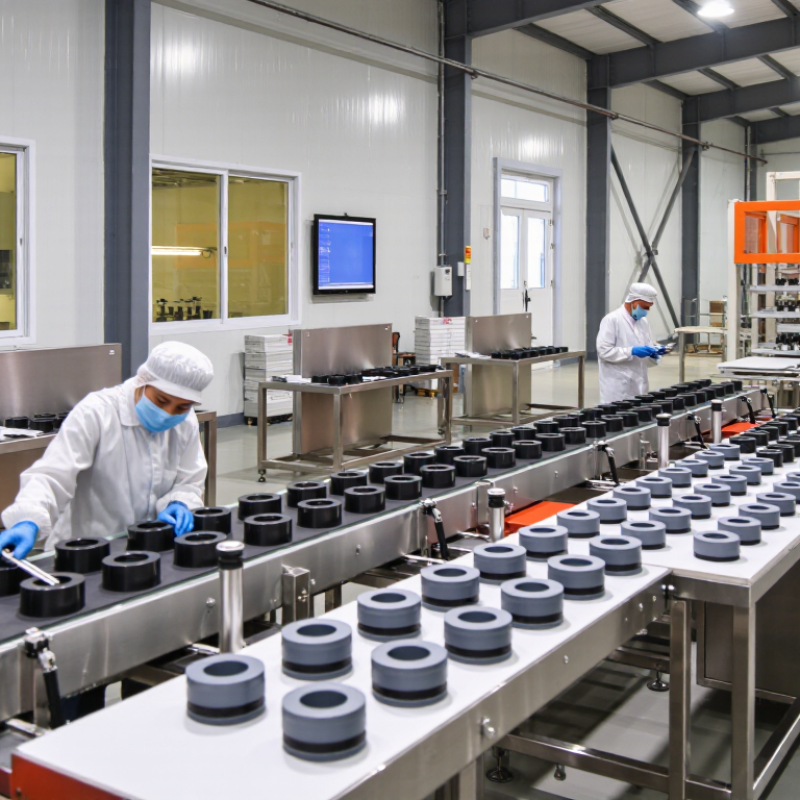
Production capacity deserves physical evidence. Review monthly output, molding equipment, shift arrangements, and backup suppliers for critical compounds. Ask how the factory handles urgent orders without changing the approved material. A supplier may claim high capacity, yet depend on manual trimming for every gasket. That creates delays and inconsistent edges. I have seen attractive samples fail during volume production because the process was never properly documented. Factory audits, pilot orders, and staged approvals reveal more than sales promises.

China Solar Panel Gasket Materials: Performance Comparison

Silicone offers the highest continuous service-temperature capability, while EPDM and neoprene generally provide higher tensile strength at lower material cost. Butyl is valued for sealing and low gas permeability. The figures are representative midpoints of commonly published engineering ranges; actual performance, pricing, and production capacity depend on the specific compound, tooling, quality system, and supplier.

Steps for Selecting the Best Solar Panel Gasket Supplier

Selecting a solar panel gasket supplier starts with the application, not a polished catalog. Record frame dimensions, glass thickness, sealing pressure, and temperatures from -40°C to 85°C. Ask for material data on EPDM, silicone, or other proposed compounds. Check resistance to ultraviolet exposure, moisture, ozone, and thermal cycling. A supplier should explain compression set, hardness, tolerances, and aging performance clearly. I have seen low-cost profiles fail because their corners relaxed after repeated heat cycles.

Request production samples before approving a large order. Measure each profile with calibrated tools. Inspect corner joints, surface defects, flash, and dimensional consistency. Run fit tests with your actual frame and glass combination. Ask for test reports, batch traceability, quality plans, and relevant conformity documents. Independent laboratory evidence is more useful than vague claims. Review tooling control, incoming material checks, and final inspection records during a supplier audit.

Compare lead times, minimum order quantities, packaging, and replacement procedures. A reliable supplier communicates changes before they disrupt production. Clarify how rejected batches are contained and corrected. Do not judge quality from one successful sample. Repeat samples across batches and inspect storage conditions. My own evaluations are not flawless; overlooked humidity once affected an adhesive test. That mistake reinforced the need for documented methods and independent review. Choose evidence over confident promises.

China Top Solar Panel Gasket Manufacturers Which Are Best? - Steps for Selecting the Best Solar Panel Gasket Supplier
Selection Dimension Recommended Evaluation Requirement Why It Matters for Solar Panel Gaskets Documents or Tests to Request Suggested Weight
Material Selection Confirm whether the gasket is made from EPDM, silicone, or another specified elastomer, with the formulation and hardness clearly documented. The material affects resistance to ultraviolet radiation, ozone, moisture, temperature changes, compression set, and chemical exposure. Material declaration, technical data sheet, hardness report, and batch-level certificate of analysis. 15%
Weathering Resistance Require accelerated ageing data using conditions relevant to outdoor photovoltaic applications, including UV, heat, humidity, and ozone exposure. Modules are normally installed outdoors for decades, so loss of elasticity or cracking can reduce sealing performance. UV ageing report, ozone-resistance report, damp-heat test data, and visual inspection criteria. 15%
Temperature Capability Verify the qualified operating-temperature range against the project climate and the module manufacturer's design limits. Repeated heating and cooling can cause shrinkage, hardening, softening, or permanent deformation. Temperature-range specification, thermal ageing results, and compression-set test data at defined temperatures. 10%
Compression Set and Elastic Recovery Set measurable limits for compression set, dimensional recovery, and sealing force after ageing. A gasket that does not recover its shape may create gaps, water ingress paths, or uneven module pressure. Compression-set test report based on a stated method, temperature, duration, specimen size, and acceptance limit. 12%
Dimensional Accuracy Require controlled tolerances for cross-section, length, corner geometry, holes, joints, and installation position. Accurate dimensions support consistent assembly and prevent local stress, leakage, or frame interference. Approved drawing, inspection plan, first-article report, and dimensional inspection records. 12%
Applicable PV Standards Check that the gasket design and material are compatible with the module's applicable qualification requirements, including IEC 61215 and IEC 61730 where relevant. IEC 61215 addresses photovoltaic module design qualification, while IEC 61730 addresses module safety qualification. Gasket evidence should support the complete module design rather than replace module certification. Relevant module qualification records, component evaluation evidence, and a written compatibility statement. 12%
Chemical and Environmental Compliance Obtain current declarations for restricted substances and confirm compliance requirements for the destination market. Restricted substances in elastomers, pigments, processing aids, or adhesives can create regulatory and recycling risks. REACH and RoHS declarations where applicable, restricted-substance test report, and material composition statement. 8%
Quality Management Prefer a documented quality system with controlled incoming inspection, process checks, final inspection, calibration, and corrective action. Stable production controls reduce variation between batches and improve traceability for long-term projects. Valid ISO 9001 certificate, process flow chart, control plan, calibration records, and corrective-action samples. 8%
Tooling and Production Capability Evaluate extrusion or molding capability, tooling control, splice or corner-joint methods, capacity, and backup equipment. Solar projects often require consistent delivery of long lengths or repeated custom profiles with low variation. Production-process description, equipment list, tooling maintenance plan, capacity statement, and sample approval records. 5%
Traceability and Change Control Require lot identification from raw material through finished-goods shipment, with advance notification of material or process changes. Traceability enables targeted investigation and limits the impact of a nonconforming batch. Lot coding example, retention-sample procedure, change-notification procedure, and nonconformance records. 5%
Pre-Shipment Validation Approve production samples before mass delivery and define inspection frequency, sampling level, packaging, and acceptance criteria. Pre-shipment checks help detect profile, hardness, surface, joint, and packaging problems before installation. Golden sample, inspection checklist, sampling plan, test certificate, packaging specification, and photographic records. 5%
Commercial and Logistics Reliability Compare total landed cost, minimum order quantity, lead time, payment terms, packaging, export documentation, and after-sales response. The lowest unit price may not provide the lowest project cost if delivery delays, rejects, or installation problems occur. Formal quotation, lead-time commitment, packaging drawing, delivery record, warranty terms, and escalation contact. 8%
Recommended process: shortlist suppliers against the technical requirements, review documentary evidence, test representative samples, conduct a production audit, approve a pre-production sample, and then score the supplier using the weighted criteria above. Final acceptance should be based on the complete photovoltaic module design and the requirements of the destination market.
All search results