How to Choose the Best Diamond Grinding Tools for Your Needs?
When choosing the best diamond grinding tools, understanding their potential impact is crucial. The diamond grinding market is growing, with a projected value of nearly $1.2 billion by 2026, as reported by industry analysts. This growth reflects the increasing demand for high-quality surface finishing across sectors such as construction and manufacturing. However, not all diamond grinding tools are created equal.
Selecting the right tools entails considering materials, grit size, and application. For example, tools designed for concrete require different specifications than those for metal or stone. A misstep in selection can lead to subpar performance and increased costs. Studies indicate that nearly 30% of projects fail due to inadequate tooling choices, highlighting the need for careful evaluation.
Therefore, understanding your specific needs and industry standards is essential. Expert guidance can assist in navigating this complex landscape, ensuring optimal results. The right diamond grinding tools can enhance efficiency, productivity, and the overall quality of your work.
Understanding Different Types of Diamond Grinding Tools
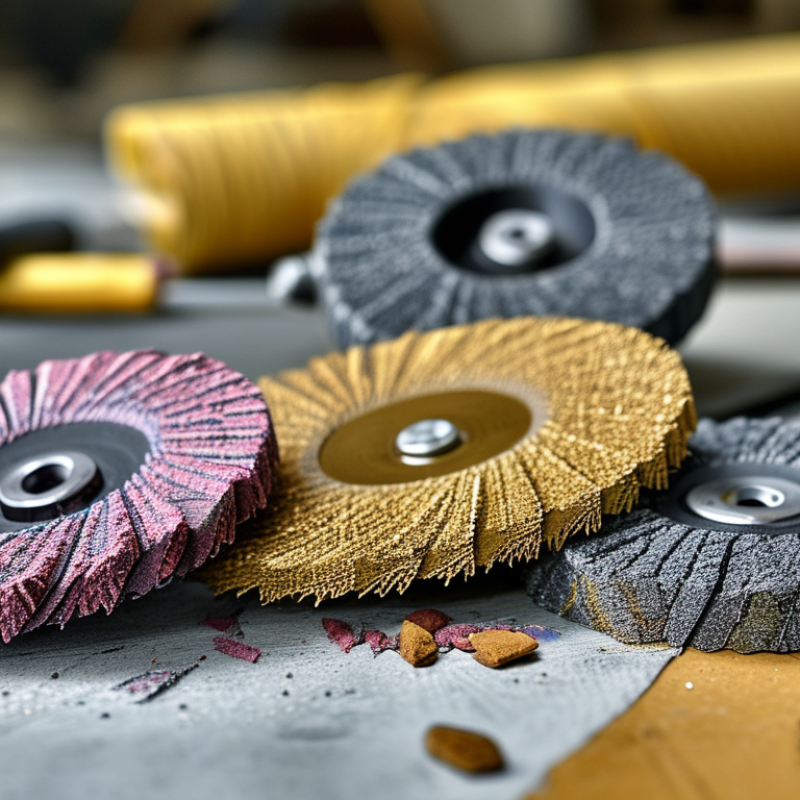
Diamond grinding tools are essential for various applications, ranging from concrete polishing to stone fabrication. Understanding the different types available can significantly impact your project outcomes. The three primary categories are diamond grinding wheels, cups, and pads. Each type serves a unique purpose and is designed for specific surface conditions.
According to a report from the Abrasive Association, diamond grinding wheels account for nearly 45% of the diamond tool market. These wheels are used for grinding hard materials, like concrete and ceramics, providing superior durability and efficiency. In contrast, diamond cup wheels are ideal for larger surface areas. They are perfect for quick material removal, especially in preparation tasks.
Diamond pads are more versatile, suitable for both dry and wet applications. Their flexibility makes them popular in finishing tasks. However, they can wear down more quickly than wheels, requiring regular replacement. It's important to choose these tools based on the specific materials and tasks you face. For instance, a coarse grit pad may be perfect for initial grinding but could leave marks if used too aggressively on softer surfaces. Balancing tool choice with desired finish can often involve trial and error.
How to Choose the Best Diamond Grinding Tools for Your Needs?
This chart displays the average performance and durability ratings of different types of diamond grinding tools, helping you identify the best options for your specific needs.
Assessing Your Grinding Needs and Project Requirements
When selecting diamond grinding tools, it's essential to accurately assess your grinding needs and project requirements. A comprehensive analysis starts with understanding the materials you will be working on. For instance, concrete, granite, and marble have different hardness levels. According to a recent industry report, diamond grinding tools are most effective when matched to the specific type of surface material. Choosing the wrong tool can lead to inefficiencies and higher costs.
Assess your project scale as well. For smaller tasks, hand-held tools might suffice. However, larger projects require robust machinery to handle extensive workloads, with some diamond grinders designed for handling up to 30 square meters per hour. Always consider the power source as well; electric tools are common, but pneumatic options can offer flexibility in certain environments.
Reflecting on past projects can provide key insights. What worked well? Where did you face challenges? Learning from these experiences helps refine your choices for future tasks. Clarity in your requirements ensures you invest in the right tools, ultimately enhancing productivity and quality of work.
Consider keeping a tool inventory. Regularly updating it helps track which tools are effective for specific jobs. Know when to upgrade or change your equipment based on performance data. This proactive approach to tool management can prevent wasted time and resources.
Factors to Consider When Choosing Diamond Grinding Tools
Choosing the right diamond grinding tools involves critical considerations. One key factor is the material you will be grinding. Different materials require specific diamond types for optimal performance. For example, harder materials need tougher diamond bonds. This ensures the tool lasts longer and provides better results.
Another important aspect is the tool's grit size. A finer grit is ideal for achieving smooth finishes. However, coarser grits work better for heavy material removal. Balancing between these two can be tricky, requiring some trial and error. The bond type also matters; it affects how the diamonds wear and how aggressive the grinding action is.
Moreover, consider the tool's design and compatibility with your equipment. If the tool doesn’t fit well, you will lose efficiency. Also, don’t forget about safety features. Some tools may lack adequate safety designs, which could pose a risk during operation. It’s smart to do thorough research and ask experts when in doubt.
Comparing Cost and Quality of Diamond Grinding Tools
When selecting diamond grinding tools, evaluating cost against quality is crucial. A recent industry report indicates that the price of diamond tools can vary significantly, ranging from $50 to over $500. This wide range often reflects not just the materials, but also the manufacturing processes. Premium tools often provide longer lifespans and better performance, which can justify higher costs in the long run.
Many users may opt for lower-priced options to save money. However, these tools might lead to quicker wear or subpar results. A study revealed that high-quality diamond tools can yield a 20% faster grinding speed and a 30% longer lifespan. This shows that investing in quality tools often saves costs over time due to reduced maintenance and replacement needs.
Choosing the right tool also involves understanding the specific material to grind. Some tools excel with concrete, while others work better with ceramics. Evaluate your project needs carefully. Check for user reviews and professional endorsements on various platforms. These insights often reveal product performance and durability that statistics alone cannot provide. Prioritize your requirements as they will guide you toward the right decision.
Maintenance Tips for Longevity of Diamond Grinding Tools
Maintaining diamond grinding tools is essential for their performance and longevity. Regular cleaning is important. After each use, remove any debris or dust. A soft brush can help get into hard-to-reach areas. Avoid using harsh chemicals that might damage the tool. Wipe the tools with a damp cloth instead. This simple action extends their lifespan.
Storage also plays a key role. Keep your diamond grinding tools in a cool, dry place. Moisture can lead to rust, affecting their efficiency. Use protective cases or pouches to prevent damage. Don't stack tools haphazardly; it can chip or dull them. If you notice wear or damage, address it promptly. Waiting can lead to bigger problems later.
Check the tool's performance regularly. Listening for unusual sounds can indicate issues. Pay attention to changes in grinding speed. If you notice inconsistencies, it may mean the tool needs sharpening or replacing. Reflect on your grinding practices too. Overusing a tool beyond its capacity can lead to rapid wear. Being mindful of these habits can lead to better results.