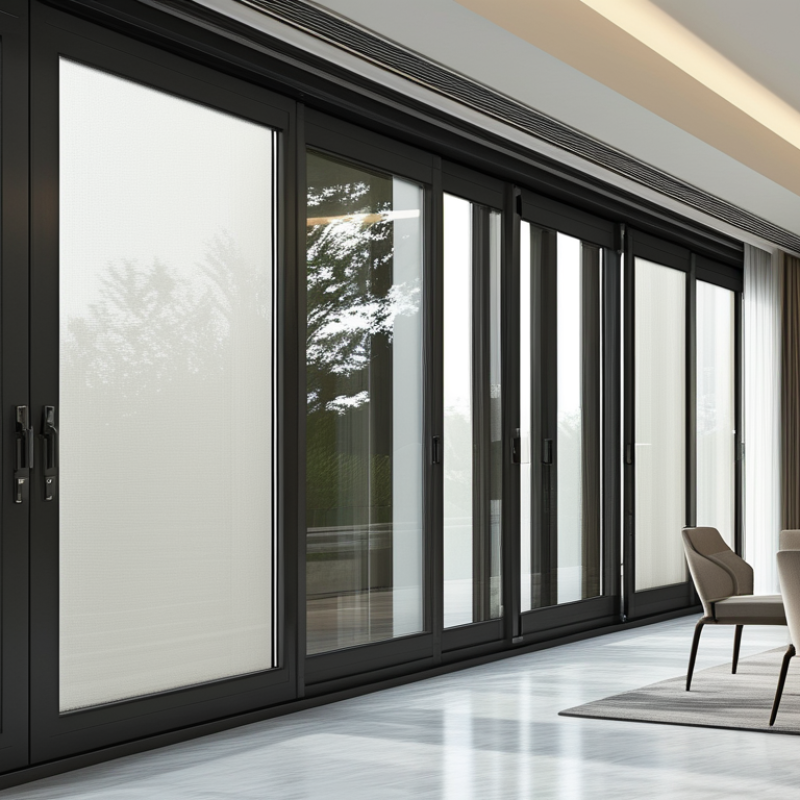
How to Choose the Best Retractable Curtain Wall for Your Needs?
Choosing the right Retractable Curtain Wall is crucial for optimizing space and enhancing aesthetics. Expert architect Sarah Johnson states, "The right curtain wall can transform an environment." Her insights underscore the importance of selecting a system that suits both functionality and design.
When considering a Retractable Curtain Wall, think about your specific needs. What is the primary purpose? Are you looking for privacy, light control, or aesthetic appeal? Each aspect will guide your choice. Options vary widely, from materials to mechanisms. Some walls retract seamlessly, while others may encounter resistance.
Moreover, installation matters. Improper setups can lead to functionality issues. Maintenance is also a factor; how often will you need to service it? Reflect on these details carefully. The perfect choice goes beyond looks—it’s about reliability and ease of use.
Factors to Consider When Choosing a Retractable Curtain Wall
When selecting a retractable curtain wall, several factors come into play. You need to consider the material. Common options include fabric, plastic, or glass. Each material has unique benefits. For instance, fabric offers a cozy feel, while glass provides clear visibility. Think about the aesthetic you want.
Functionality is also key. Retractable curtain walls should allow for easy operation. A wall that jams frequently will only frustrate users. Ensure the mechanism is smooth for both retracting and extending. Check the size and weight. A lightweight option can be easier to handle.
Tips: Look for features like UV protection or insulation. These can enhance energy efficiency. Evaluate the installation process. Some products require professional help, which can add to total costs. A reliable warranty can also be crucial. It shows the manufacturer stands by their product. This is a good indicator of quality. If options seem overwhelming, make a list of must-haves. Prioritize what truly matters for your space. Reflect on your needs as they can change over time.
Types of Materials Used in Retractable Curtain Walls
Retractable curtain walls are increasingly popular in modern architecture. Their versatility is partly due to the variety of materials used in their construction. Selecting the best material is crucial. It influences durability, appearance, and insulation properties.
Common materials include aluminum frames, tempered glass, and fabric. Aluminum is lightweight and resistant to corrosion. According to industry reports, around 50% of retractable walls use aluminum because of its strength-to-weight ratio. Tempered glass provides excellent visibility and aesthetic appeal but can be prone to breakage. Despite its fragility, glass accounts for 30% of installations due to its sleek look. Fabric options offer flexibility but can lack longevity. They are often used in temporary structures.
Each material has pros and cons. For example, aluminum may not provide enough insulation for colder climates. Conversely, fabric could require more frequent replacement. It's essential to weigh these factors based on your specific needs. The right choice affects maintenance costs and long-term performance. Research shows that 40% of users report dissatisfaction due to a mismatch between material choice and project requirements. Make informed decisions to avoid costly mistakes.
Evaluating the Functionality and Design of Curtain Walls
When selecting a retractable curtain wall, both functionality and design must blend seamlessly. Curtain walls act as barriers against the elements while enhancing aesthetic appeal. It's crucial to assess how well the design suits your space. Consider the materials used; some provide better insulation or soundproofing than others. The style should reflect the interior or exterior design, offering a cohesive look.
Functionality is another aspect to evaluate. Retractable systems should operate smoothly, allowing for effortless adjustment. Test the mechanisms to ensure they’re user-friendly. Look for curtains that can withstand varying weather conditions if installed outdoors. Durability is key; materials should resist fading and wear. Additionally, reflect on maintenance needs. Some designs require more upkeep than others, which might not fit your lifestyle.
Ask yourself what your priorities are. Is it more important to have an elegant design or strong performance? Different projects may require different solutions. A balance must be struck. Consider how the curtain wall will function over time. Features that seem appealing initially might fall short in the long run. Always seek expert advice when possible. Their insights can lead to choices that are both practical and stylish.
Assessing the Installation Requirements for Curtain Walls
When considering the installation of retractable curtain walls, it's crucial to assess various factors. The first step is understanding the site conditions. You need to evaluate the existing structure and confirm if it can support a curtain wall system. Issues like uneven surfaces or structural weaknesses can complicate installation. It’s wise to consult professionals who can conduct thorough inspections and provide recommendations.
Next, consider the installation complexity. Some systems may require specialized tools or extra labor. This could lead to additional costs and time delays. Be aware that certain materials may not be as user-friendly during installation, leading to potential difficulties. It's essential to plan for these challenges to avoid surprises later. Checking local building codes is vital, as regulations can influence your choices.
Lastly, reflect on your long-term needs. Will you need to modify or relocate the curtain walls in the future? Ensure that the installation allows flexibility. If the system is too rigid, it might not serve future requirements well. Addressing these aspects upfront helps in choosing the best retractable curtain wall that fits your needs efficiently.
Understanding Maintenance Needs for Retractable Curtain Walls
Maintaining retractable curtain walls is crucial for longevity and performance. These systems often see heavy usage. Regular inspection is necessary. Operators should check for wear and tear, especially on rolling mechanisms. According to industry reports, nearly 30% of issues arise from inadequate maintenance.
Routine cleaning is also vital. Dust and debris can accumulate, affecting function. A survey among facility managers revealed that 45% faced operational delays due to neglected upkeep. Using appropriate cleaning solutions helps maintain aesthetics and durability.
Beyond physical inspections, considering environmental factors is essential. In areas with high humidity or extreme temperatures, additional care may be needed. Deterioration can happen faster in these conditions. Almost 20% of retractable walls need premature replacement due to environmental impacts. Ideally, operators should implement a maintenance schedule tailored to their specific needs and conditions. This approach may require ongoing assessment and adjustments.
How to Choose the Best Retractable Curtain Wall for Your Needs?
| Dimension | Material | Maintenance Frequency | Advantages | Disadvantages |
| 10ft x 10ft | Aluminum Frame with PVC | Monthly | Lightweight, Durable, Easy to Clean | Limited Insulation |
| 15ft x 15ft | Steel Frame with Acrylic | Quarterly | Excellent Strength, UV Resistant | Heavier, Higher Cost |
| 20ft x 10ft | Fiberglass with Polyester | Biannually | Weather Resistant, Long Lasting | Difficult to Repair |
| 25ft x 12ft | Vinyl with Steel Framework | Yearly | Affordable, Variety of Colors | Less Durable than Aluminum |