Why Choosing the Right Concrete Finishing Trowel Matters?
Choosing the right concrete finishing trowel is essential for achieving the best results in your project. Industry expert John Smith emphasizes, “The right trowel can make or break the finish.” A high-quality concrete finishing trowel ensures a smooth, durable surface. This tool's design directly impacts the texture and appearance of the slab.
Many contractors underestimate the importance of this choice. A poorly designed trowel can lead to imperfections. Uneven surfaces can increase maintenance costs over time. Moreover, using an inappropriate type for the specific job may complicate the finishing process and extend project time.
Every detail matters in concrete work. Opting for a trowel that feels comfortable and balanced can enhance control during finishing. It's critical to assess the specifics of your project. Selecting the wrong trowel requires reflection on your method and technique. Investing time to choose the right concrete finishing trowel pays off significantly in the long run.
Understanding the Different Types of Concrete Finishing Trowels
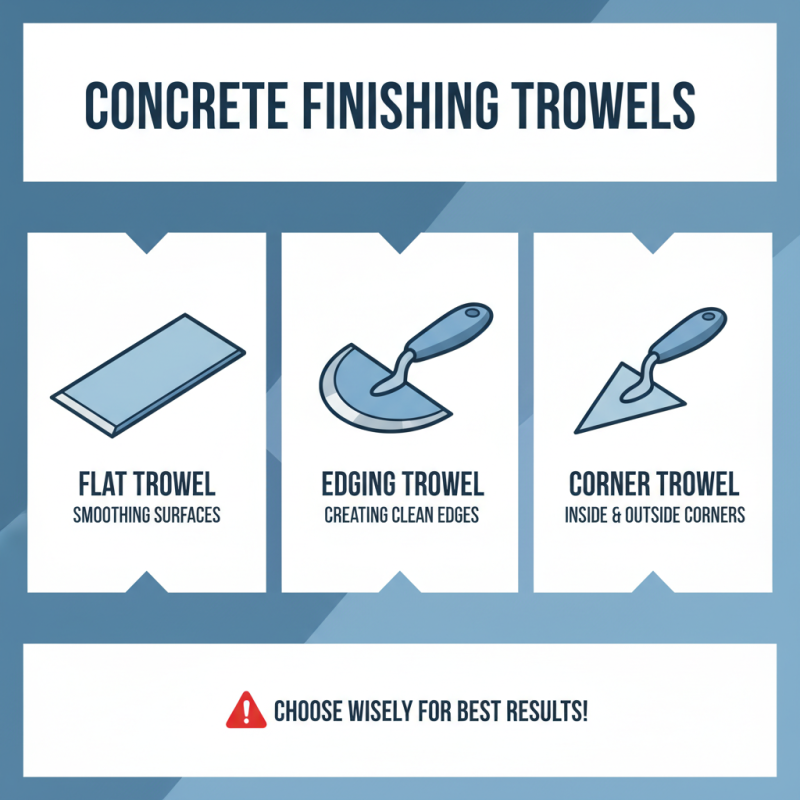
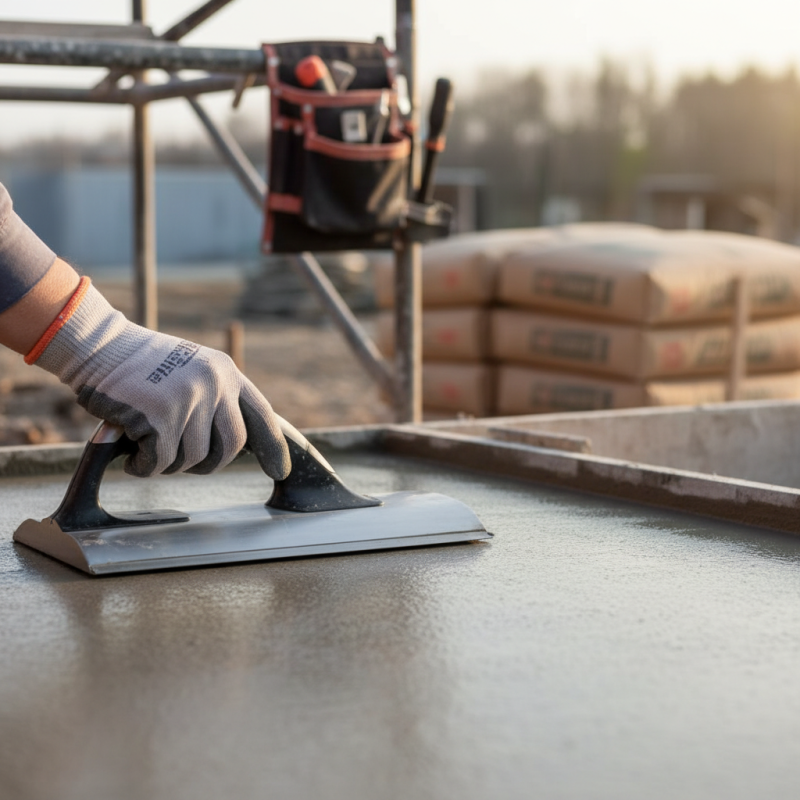
When it comes to concrete finishing, the choice of trowel plays a crucial role in achieving the desired surface texture. Different types of concrete finishing trowels exist, each designed for a specific purpose. For example, the flat trowel is best for smoothing surfaces, while the edging trowel is typically used for creating clean edges. Choosing the wrong type can lead to unsatisfactory results, which may not meet project expectations.
A rounded trowel can provide a unique finish, yet it requires skill to use effectively. Beginners often struggle with control, leading to uneven surfaces. The finishing trowel, with its larger surface area, is great for expansive areas but can be heavy and awkward for smaller jobs. A common mistake is thinking one type fits all; this approach can backfire. Understanding how each trowel interacts with the concrete can dramatically affect the outcome.
Many professionals emphasize the importance of practice. Even experienced workers can face challenges. Surface imperfections might arise from inadequate smoothing or poor angles. Regular evaluation and adjustment are necessary for optimal results. Concrete finishing is as much an art as it is a science, and making informed choices about tools can prove to be invaluable in the process.
Key Features to Consider When Selecting a Trowel for Finishing Concrete
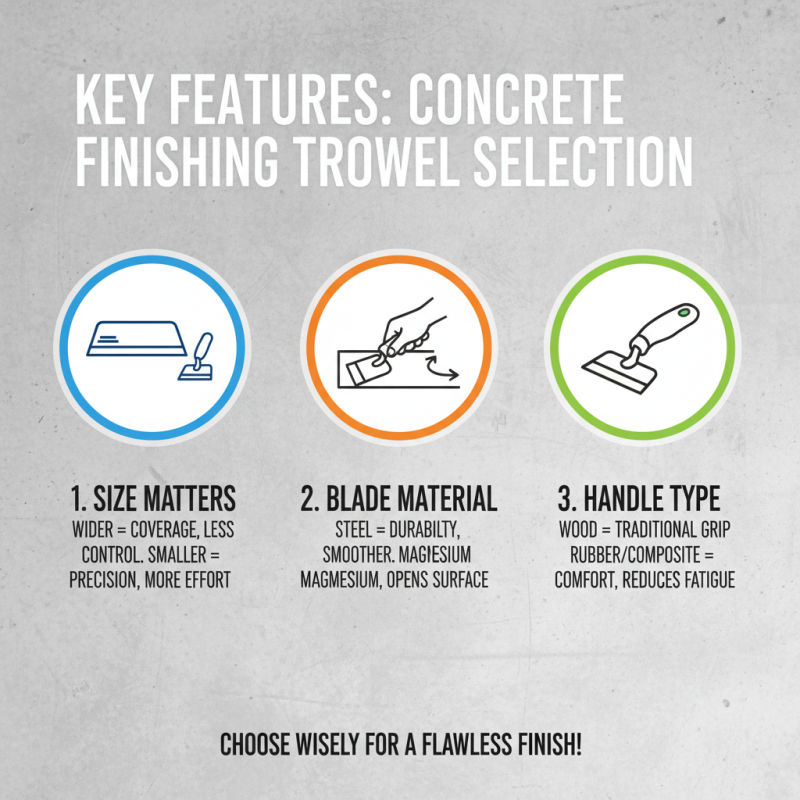
Choosing the right concrete finishing trowel is crucial for achieving a smooth and professional surface. When selecting a trowel, several key features should be considered. The size of the trowel significantly impacts your control over the finish. A wider trowel covers more area but can be challenging to maneuver. Smaller trowels allow for precision but may require more time and effort.
The material of the trowel is also important. Stainless steel trowels are durable and offer excellent results. However, they require maintenance to prevent rust. Aluminum trowels are lightweight and resistant to corrosion, but they might not provide the same finish quality as steel.
Consider the handle design as well. A comfortable grip can make long hours of work more manageable. However, if you choose the wrong grip, it can lead to hand fatigue. Pay attention to the tool's weight too. A heavy trowel can be effective, but it can also slow your movements. Take time to reflect on the pros and cons of each choice to find what works best for your project.
The Impact of Trowel Material on Concrete Finish Quality
The choice of trowel material significantly influences the quality of a concrete finish. Different materials, such as steel, aluminum, and magnesium, each offer unique benefits and drawbacks. Steel trowels are known for their durability and ability to produce a smooth surface, yet they can also leave scratches if not used properly. On the other hand, aluminum trowels are lightweight and easier to maneuver, but they may wear out quickly.
Magnesium trowels strike a balance between these two options. They can provide a fine finish without causing excessive drag. Despite their advantages, they require careful handling to prevent bending and damage. Choosing the wrong trowel material might lead to a less-than-ideal surface, reflecting the importance of understanding each option's specific qualities.
Concrete finishing demands attention to detail, and the trowel is a crucial tool in this process. A poor choice can lead to imperfections that are difficult to correct later. Some contractors might overlook this aspect, relying on just any trowel. However, this can jeopardize the integrity and aesthetics of the concrete surface. Making an informed selection is essential for achieving the desired result, and sometimes, that means taking the time to research and experiment with different trowel materials.
Why Choosing the Right Concrete Finishing Trowel Matters? - The Impact of Trowel Material on Concrete Finish Quality
| Trowel Material |
Durability |
Weight |
Cost |
Finish Quality |
| Stainless Steel |
High |
Medium |
$$$ |
Excellent |
| Carbon Steel |
Medium |
Light |
$$ |
Very Good |
| Aluminum |
Medium |
Light |
$ |
Good |
| Composite |
High |
Medium |
$$$ |
Excellent |
| Plastic |
Low |
Very Light |
$ |
Acceptable |
Common Mistakes to Avoid When Using Concrete Finishing Trowels
Choosing the right concrete finishing trowel is crucial for achieving the desired surface finish. However, many professional contractors and DIY enthusiasts make common mistakes that can lead to unsatisfactory results. According to a study by the American Concrete Institute (ACI), 30% of concrete finishing problems stem from improper tool selection.
One frequent error is using a trowel that does not match the texture of the concrete mix. For instance, fine mixes require softer trowels to achieve smooth finishes, while coarser mixes benefit from sturdier tools. Inappropriate tool selection can lead to inconsistent textures. Additionally, many overlook the importance of trowel technique. Incorrect angles can create ripple patterns or uneven surfaces, leading to increased labor costs for corrections.
Another mistake is failing to clean tools regularly. Residual concrete can seep into your work, ruining finishes. ACI reports that inadequate tool maintenance accounts for roughly 15% of finishing issues. Keeping tools clean ensures better application and a durable surface. Reflecting on these details can save time and resources. As the industry evolves, recognizing these common pitfalls can lead to better practices and improved outcomes in concrete finishing.
Tips for Maintaining and Caring for Your Concrete Finishing Trowel
Caring for your concrete finishing trowel is essential for optimal performance. Regular maintenance can enhance its longevity and effectiveness. Keeping the blade clean is crucial. After each use, wash off any concrete residue. Avoid letting it dry on the blade. This simple practice can prevent rust and damage.
Choosing the right storage location is also important. Store the trowel in a dry place, away from moisture. A toolbox or protective case works well. This protects the tool from physical damage and environmental factors. Over time, consider inspecting the handle for any signs of wear. It may need replacement if it’s deteriorating.
Tip: If the trowel develops rust spots, gently sand them away. Use a fine-grit sandpaper for a smooth finish. Ensure you clean it afterward to maintain the blade's integrity. These methods reflect a commitment to keeping your tools in top shape.
Concrete Finishing Trowel Selection and Maintenance