Choosing concrete machines in 2026 requires more than comparing horsepower, drum size, or purchase price. The right decision connects production volume, jobsite conditions, operator skills, energy use, and long-term service support. Deloitte’s 2025 Engineering and Construction Industry Outlook highlights labor shortages, digital transformation, and sustainability as continuing pressures across the sector. These pressures directly affect equipment selection.
Market evidence also suggests caution. Dodge Construction Network’s 2025 outlook points to uneven construction growth across building segments, while GlobalData’s construction forecasts emphasize regional differences in project activity. A large fleet may look efficient on a major infrastructure site, yet become expensive and underused during slower months. That is an uncomfortable possibility. Buyers should test expected utilization, not simply trust optimistic project forecasts.
This guide examines concrete machines through practical measures: hourly output, fuel or electricity consumption, transport dimensions, maintenance access, safety features, and compatibility with existing batching systems. For example, a contractor pouring foundations in a narrow urban lot may value a compact pump with precise remote control more than maximum capacity. A highway contractor may need high-volume batching, reliable automatic controls, and rapid relocation between sites.
Environmental performance also matters. The International Energy Agency identifies cement production as responsible for roughly 7% of global energy-related and process carbon dioxide emissions. Concrete equipment cannot solve that problem alone, but efficient engines, electric drives, idle-control systems, and accurate dosing can reduce avoidable waste. Certification claims still require verification. Specifications can be incomplete, and real-world performance often differs from laboratory figures. The strongest choice is therefore the machine that delivers dependable output, measurable operating costs, and support after delivery.
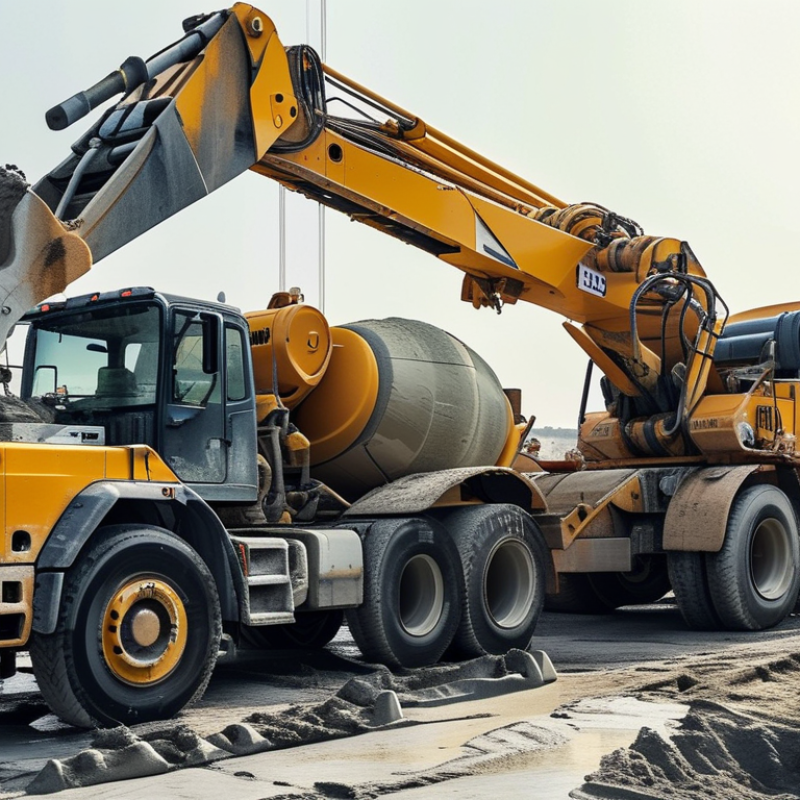
Choosing concrete machines in 2026 starts with the construction task, not the machine catalogue.
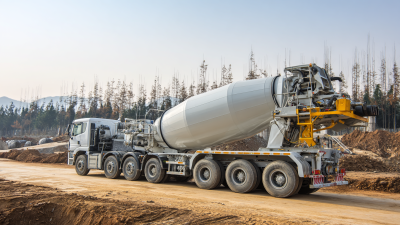
Ready-mix trucks suit projects needing steady concrete delivery across roads and foundations. Drum mixers work well on smaller sites where crews batch concrete close to the pour. They need level ground, clean water, and careful material measurements.
Concrete pumps are valuable for high-rise slabs, deep foundations, and congested sites. Boom pumps reach over obstacles, while line pumps handle tighter access routes.
A batching plant supports large projects with repeated, consistent loads. It requires space, power, dust control, and trained operators.
For floor finishing, laser screeds improve level accuracy across broad warehouse floors. Hand screeds remain useful in narrow rooms and repair areas.
Internal vibrators remove trapped air from columns, beams, and heavily reinforced walls. Surface vibrators are better for slabs and paved areas.
Machine selection should consider output, site access, fuel use, maintenance, and operator skill.
A powerful pump may be wasteful on a small residential pour. An inexpensive mixer may struggle during a long commercial shift. No choice is perfect.
I have seen schedules fail because cleaning time was ignored. Crews should inspect hoses, guards, emergency controls, and electrical connections before operation. Manufacturer guidance and local safety requirements still matter.
Weather also changes performance; cold mornings can slow setting, while hot wind can dry exposed concrete too quickly.
Choosing a concrete machine in 2026 requires more than comparing engine power. Start with the required output in cubic metres per hour, then check the machine’s working capacity, not only its advertised drum volume. A mixer may carry 5 cubic metres on paper, yet site conditions can reduce the practical load. Pump buyers should compare maximum pressure, piston diameter, delivery distance, aggregate size, and clean-out time. These details decide whether the machine keeps pace with a busy pour or leaves workers waiting. Short sentences matter here. Numbers reveal the truth.
Fuel use should be measured at the expected workload, not during an empty test. Compare hydraulic efficiency, duty cycle, service intervals, turning radius, ground clearance, axle load, and access to filters. The IEA’s 2024 Global Status Report for Buildings and Construction states that the sector uses about 32% of global energy and produces roughly 34% of energy-related carbon dioxide emissions. That makes engine efficiency and idle control practical cost issues, not decorative features. The U.S. Bureau of Labor Statistics’ Census of Fatal Occupational Injuries also continues to record more than 1,000 construction deaths in recent years, so emergency stops, visibility, guarding, and stable access deserve equal attention. I still see buyers focus on horsepower first. That is an expensive habit. A lower-powered machine with better uptime may produce more concrete per shift. Telematics can help verify this, although software data is not always perfect. Check real fuel records, maintenance logs, and one full working cycle before signing a purchase order.
Compare the typical nominal concrete capacity of common machine categories before evaluating productivity, mobility, power requirements, aggregate size, cycle time, and maintenance access. The ranges below represent commonly specified market capacities and are not brand-specific ratings.
Actual output can vary with mix design, loading efficiency, discharge time, moisture content, operator skill, and site conditions. Confirm the required capacity and duty cycle against the machine’s technical documentation before purchasing.
Choosing concrete equipment starts with the pour, not the machine catalogue. Estimate the required volume, placement speed, site access, and working hours. A small foundation may need 20 cubic metres, while a bridge deck can require several hundred. Add a practical reserve of 10 to 15 percent for delays, spillage, and uneven delivery. Do not size equipment only by its maximum rating. Maximum output is rarely the normal output.
For mixers, compare the usable batch volume with the required hourly production. A 2-cubic-metre mixer producing eight batches per hour can theoretically deliver 16 cubic metres. Real output may fall because of loading time, cleaning, traffic, or material checks. Pumps also need a capacity match. A pump rated for 60 cubic metres per hour may perform below that rate when the concrete is stiff or the pipeline is long. Measure the distance and height carefully. Pressure losses matter.
Site conditions change the calculation. Narrow gates may reject a large machine before work begins. Soft ground may require wider supports or a smaller unit. I have seen schedules fail because equipment capacity looked adequate on paper. The missing detail was crew coordination. Check power supply, water access, fuel planning, and operator skill before hiring. Recalculate after the mix design is confirmed. It is easy to overestimate. That mistake can cost more than selecting a slightly larger machine.
How to Choose Concrete Machines in 2026?
Power is only useful when it matches the mix and production target. Check required output, drum capacity, torque, and duty cycle before comparing engine ratings. A machine working beside a highway needs different power than one serving a small interior pour. High-strength mixes may demand steady torque, not simply peak horsepower. The U.S. Energy Information Administration reports that industrial electricity prices vary widely by region, so electric equipment should be assessed against local charging access and operating costs. Bigger is not always better.
Mobility depends on the worksite. Measure gate widths, turning space, floor loading, slopes, and ground conditions. A compact pump may reach a tight courtyard, while a heavier unit can become unsafe on soft soil. Automation can improve consistency through metered dosing, remote controls, and production records. It cannot correct poor setup. The Associated General Contractors of America reported in its 2024 workforce survey that 94% of firms struggled to fill craft positions. Simple automation may reduce pressure, but operators still need training and judgment. I would not trust a sensor without checking it against the finished surface.
Tips: Walk the route before delivery. Test visibility from the operator’s position. Confirm power, water, drainage, and washout space. Compare real output under your mix, not brochure capacity. Leave room for maintenance; cramped access creates expensive delays.
| Machine Type | Typical Output or Capacity | Typical Power Requirement | Mobility | Automation Level | Best Worksite Conditions | Key Advantages | Main Limitations | Recommended Selection Priority |
|---|---|---|---|---|---|---|---|---|
| Portable Concrete Mixer | 0.10–0.35 m³ per batch | 1.5–7.5 kW electric motor, or approximately 5–13 hp gasoline engine | Very high Trailer, wheelbarrow, or manually movable models |
Low Manual loading, mixing, and discharge |
Small repairs, residential work, narrow access areas, and sites without permanent power | Low purchase cost, simple operation, easy transport, and flexible batch production | Low production rate, labor-intensive operation, and less consistent batching than automated systems | Prioritize portability, drum capacity, frame strength, power availability, and spare-part access |
| Pan Mixer | 0.25–1.50 m³ per batch | 7.5–45 kW electric motor, depending on capacity and material stiffness | Medium Usually moved by forklift, trailer, or lifting equipment |
Medium Timed mixing and optional automatic discharge |
Precast production, paving blocks, dry-mix concrete, and controlled workshop environments | Uniform mixing, good performance with low-slump or fiber-reinforced mixes, and compact layout | Requires a stable foundation and material-feeding equipment; not ideal for frequent relocation | Prioritize mixing uniformity, wear-resistant liners, discharge design, and cleaning access |
| Twin-Shaft Mixer | 1–6 m³ per batch | 30–250 kW total drive power, depending on batch size and aggregate characteristics | Low Generally installed in a batching or precast plant |
High Suitable for recipe control, moisture correction, and automated sequencing |
High-volume ready-mix, precast, infrastructure, and demanding industrial concrete production | Fast mixing, high homogeneity, effective fiber distribution, and high throughput | Higher capital cost, complex maintenance, and significant foundation and installation requirements | Prioritize cycle time, shaft and paddle wear protection, torque capacity, automation compatibility, and service support |
| Truck Mixer | 6–12 m³ drum capacity; practical delivery volume depends on local road and axle regulations | Approximately 180–370 kW vehicle engine power; hydraulic drum drive is powered by the vehicle system | High Road-mobile between plant and jobsite |
Medium Hydraulic controls, drum-speed monitoring, and optional fleet telematics |
Urban construction, dispersed projects, and sites requiring ready-mix delivery from a central plant | Combines transport and agitation, supports continuous placement, and reduces on-site batching requirements | Limited by road access, traffic, axle-load rules, discharge distance, and concrete setting time | Prioritize legal payload, drum geometry, chute reach, turning radius, washout provisions, and route conditions |
| Trailer-Mounted Concrete Pump | Approximately 10–90 m³/h; common pressure range is about 50–100 bar | 15–110 kW electric or diesel power unit, depending on output and pumping pressure | High Towed to the site and positioned separately from the placing point |
Medium Variable-flow controls, pressure monitoring, and remote control are common |
Low- to medium-rise buildings, slabs, foundations, restricted access, and long horizontal delivery lines | Compact footprint, long placing distance, and lower setup cost than a boom pump | Requires separate hose deployment, careful line cleaning, and trained operators to prevent blockages | Prioritize required flow, aggregate size, vertical and horizontal reach, hose diameter, and cleaning system |
| Truck-Mounted Boom Pump | Approximately 60–200 m³/h; boom reach commonly 20–65 m | Roughly 200–450 kW total vehicle and hydraulic-system power, depending on configuration | High Self-propelled and rapidly deployable on roads |
High Remote boom operation, variable pumping control, and stabilizer monitoring |
High-rise construction, large slabs, bridges, tunnels, and projects needing rapid placement | Long reach, fast setup, high placing capacity, and reduced manual hose handling | High rental or ownership cost, large footprint, stabilizer clearance requirements, and road-access constraints | Prioritize boom reach, setup envelope, output under pressure, vehicle dimensions, and ground-bearing capacity |
| Self-Loading Concrete Mixer | Approximately 1.0–5.5 m³ per batch | 50–130 kW diesel engine, depending on drum capacity and terrain capability | Very high Loads, mixes, transports, and discharges independently |
Medium Digital weighing and water metering may be integrated |
Remote roads, infrastructure work, rural construction, utility projects, and sites without a batching plant nearby | Reduces dependence on external delivery, handles uneven terrain, and combines several operations in one unit | Lower capacity than a full-size truck fleet, higher tire and fuel costs, and more complex operator duties | Prioritize four-wheel drive, bucket loading capacity, weighing accuracy, drum discharge reach, and ground clearance |
| Mobile Concrete Batching Plant | Approximately 20–120 m³/h, depending on configuration, aggregate storage, and loading cycle | Approximately 40–250 kW installed electrical power | Medium Transportable between projects but requires setup and site preparation |
High Recipe management, automatic weighing, moisture compensation, and production records |
Large projects, remote infrastructure, road construction, and locations far from commercial ready-mix supply | Consistent mix quality, reduced delivery distance, scalable production, and improved material traceability | Needs aggregate stockpiles, foundations or prepared ground, electrical supply, dust control, and trained personnel | Prioritize hourly demand, setup time, silo and aggregate capacity, weighing accuracy, dust control, and transport permits |
| Concrete Laser Screed | Approximately 300–1,500 m²/h, depending on slab thickness, surface tolerance, and site layout | Approximately 15–45 kW diesel or hybrid power system | Medium Usually self-propelled but needs a sufficiently open slab area |
High Laser-guided elevation control and automated vibrating or truss functions |
Large industrial floors, warehouses, parking structures, airports, and wide flat slabs | High productivity, improved level control, reduced manual labor, and consistent slab elevation | Less suitable for congested areas, small rooms, steep slopes, or heavily obstructed sites | Prioritize working width, elevation tolerance, sensor reliability, machine weight, and slab access |
| Ride-On Power Trowel | Approximately 800–2,500 m²/h, depending on rotor width, concrete condition, and finishing requirements | Approximately 15–55 kW gasoline, diesel, or electric power system | Medium Mobile on the slab but requires transport to the worksite |
Medium Independent rotor controls and adjustable blade pitch |
Large floor slabs where the surface has reached the correct finishing window | High finishing productivity, consistent surface densification, and reduced operator walking | Cannot correct poor concrete placement; unsuitable for very small, irregular, or inaccessible areas | Prioritize rotor diameter, machine weight, visibility, blade adjustment, noise, and ventilation requirements |
| Concrete Cutter or Saw | Typical cutting depth of 100–400 mm for walk-behind or ride-on floor saws | Approximately 5–45 kW electric, gasoline, or diesel power system | High Available in compact walk-behind and larger ride-on configurations |
Low Manual guidance with optional depth and dust-control features |
Roads, slabs, expansion joints, demolition preparation, and repair work | Precise joint cutting, flexible deployment, and suitability for corrective or maintenance work | Creates dust and slurry, requires blade management, and productivity varies with concrete strength and reinforcement | Prioritize cutting depth, blade diameter, wet or dry cutting method, dust extraction, and reinforcement capability |
| Electric or Battery-Powered Concrete Equipment | Varies by application; commonly used for mixers, vibrators, grinders, breakers, and small pumps | Approximately 1–30 kW for compact equipment; battery runtime depends on load and battery capacity | High Compact, low-emission, and suitable for indoor or restricted-access work |
Medium Electronic controls, overload protection, and battery monitoring are common |
Indoor projects, noise-sensitive areas, urban worksites, and locations with emission restrictions | Lower local emissions, reduced noise, easier starting, and lower routine engine maintenance | Charging infrastructure, battery replacement cost, runtime limits, and reduced suitability for sustained high-load work | Prioritize duty cycle, charging time, battery protection, available voltage, IP rating, and total operating cost |
Indicative ranges are intended for preliminary equipment selection. Actual performance depends on concrete mix design, aggregate size, slump, temperature, pumping distance, operator skill, site access, local regulations, and manufacturer configuration.
Choosing concrete machines in 2026 requires more than comparing purchase prices. On active sites, safety controls deserve the closest inspection. Look for emergency stops, guarded moving parts, stable access steps, and clear operator visibility. A machine should remain predictable on uneven ground and in poor weather. I have seen crews ignore a small blind spot until reversing became stressful. That choice saved minutes but created unnecessary risk. Training quality matters too. Ask whether operators can learn the controls without guessing.
Maintenance affects both safety and output. Check service access, filter locations, inspection points, and fault reporting before buying. Daily checks should be practical, not a ritual nobody completes. Record fluid leaks, unusual vibration, tire wear, and damaged hoses. Small evidence often predicts expensive downtime. My first cost estimate once excluded cleaning time. It looked accurate on paper and failed during a busy pour. Good maintenance planning includes spare parts, technician access, and realistic inspection hours.
Operating costs include fuel or electricity, labor, transport, insurance, and idle time. Compare expected output under actual working conditions, not showroom figures. A cheaper machine may consume more energy or need frequent adjustments. Long-term value also depends on resale demand, upgrade options, documentation, and structural durability. Review at least three years of expected use. Leave room for uncertainty. Soil, weather, and operator habits can change the numbers. A trusted inspection report and transparent service history make future decisions less speculative.
| Cookie | Duration | Description |
|---|---|---|
| cookielawinfo-checkbox-analytics | 11 months | This cookie is set by GDPR Cookie Consent plugin. The cookie is used to store the user consent for the cookies in the category "Analytics". |
| cookielawinfo-checkbox-functional | 11 months | The cookie is set by GDPR cookie consent to record the user consent for the cookies in the category "Functional". |
| cookielawinfo-checkbox-necessary | 11 months | This cookie is set by GDPR Cookie Consent plugin. The cookies is used to store the user consent for the cookies in the category "Necessary". |
| cookielawinfo-checkbox-others | 11 months | This cookie is set by GDPR Cookie Consent plugin. The cookie is used to store the user consent for the cookies in the category "Other. |
| cookielawinfo-checkbox-performance | 11 months | This cookie is set by GDPR Cookie Consent plugin. The cookie is used to store the user consent for the cookies in the category "Performance". |
| viewed_cookie_policy | 11 months | The cookie is set by the GDPR Cookie Consent plugin and is used to store whether or not user has consented to the use of cookies. It does not store any personal data. |