Top Concrete Pan Mixer Trends at 2026 Canton Fair?
The 2026 Canton Fair is set to spotlight the latest advancements in construction equipment, particularly in Concrete Pan Mixer technology. Running from April 15 to May 5, this fair encompasses various sectors, with a significant focus on building materials. Concrete Pan Mixers have gained attention due to their essential role in efficient construction processes.
As the need for innovation in construction grows, Concrete Pan Mixers are evolving. They are designed to enhance mixing efficiency and reduce material waste. The introduction of AI-driven features at the fair promises to transform the procurement experience for buyers. With smart navigation and AI integration, locating suppliers of Concrete Pan Mixers who meet specific certifications becomes streamlined.
However, challenges remain. The fast-paced advancements raise concerns about quality control. Some manufacturers may prioritize speed over reliability. Continuous evaluation of technology will be crucial. Attendees must engage thoughtfully with suppliers to ensure they meet their quality expectations. The 2026 Canton Fair is an opportunity to explore these trends and address the potential pitfalls in the Concrete Pan Mixer market.
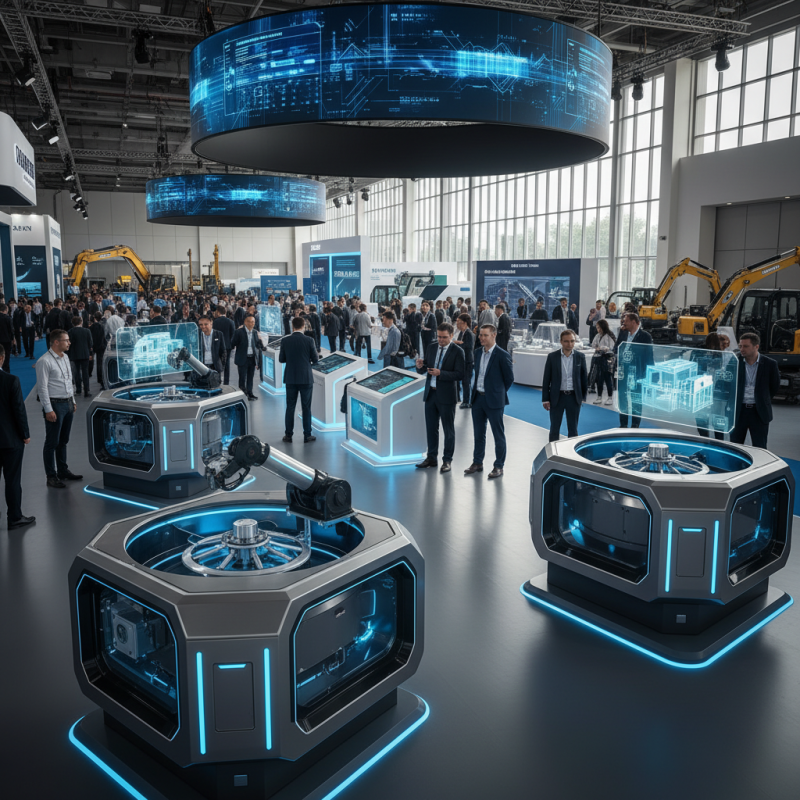
Top Innovations in Concrete Pan Mixers Showcased at 2026 Canton Fair
The 2026 Canton Fair is set to unveil numerous innovations in concrete pan mixers. Industry reports indicate a growing demand for more efficient mixing technologies. Recent studies show that the global concrete mixer market is expected to grow at a CAGR of 4.5% from 2023 to 2030. This trend highlights the importance of innovation in achieving sustainability and performance.
One key development is the integration of smart technology. In many modern mixers, sensors provide real-time data on mixing consistency. This feature not only enhances quality control but also reduces material waste. Furthermore, some mixers now utilize advanced materials for better durability. However, the challenge remains to balance technology with user-friendliness.
Environmental concerns are also prominent. The industry faces pressure to decrease carbon footprints. To address this, many new models are designed for energy efficiency. Some machines can save up to 30% energy compared to older versions. Yet, the implementation of these innovative features can come with a steep learning curve for operators. Adaptability is crucial for maximizing benefits.
Market Analysis: Growth Trends for Concrete Pan Mixers by 2026
The concrete pan mixer market is witnessing significant growth trends, particularly as we approach the 2026 Canton Fair. According to recent market analysis, the global concrete pan mixer market is projected to grow at a CAGR of 6% from 2024 to 2026. This growth is primarily driven by the increasing demand for efficient and high-quality concrete mixing solutions in various construction sectors.
A detailed report outlines key factors contributing to this surge. The infrastructure boom in developing countries fuels the need for reliable concrete mixers. Urbanization rates are accelerating, leading to a higher demand for residential and commercial construction. However, the market also faces challenges. Companies struggle with sourcing quality raw materials and maintaining production efficiency. Additionally, environmental regulations push for sustainable practices, necessitating innovation in mixer designs.
Emerging technologies are reshaping the landscape. Automation and smart features are enhancing productivity, but not every manufacturer keeps pace with these advancements. Innovative designs that reduce energy consumption are gaining traction, yet some companies still rely on outdated models. The upcoming Canton Fair is expected to showcase these trends, challenging businesses to adapt or risk falling behind.
Top Concrete Pan Mixer Trends at 2026 Canton Fair
Sustainability Features in Concrete Pan Mixers: A 2026 Perspective
As the 2026 Canton Fair approaches, concrete pan mixers showcase emerging sustainability features. Manufacturers increasingly focus on energy-efficient designs. These innovations aim to minimize waste and enhance recycling potential in concrete production.
Many mixers now use eco-friendly materials. These changes reduce the carbon footprint of equipment. Hybrid power options are becoming common. However, some designs still require considerable energy to operate. This inconsistency raises questions about overall sustainability.
Improved water management systems are being integrated. These systems help in using water efficiently during mixing. Yet, not all mixers have achieved the same level of efficiency. Manufacturers must continually assess the effectiveness of these systems. The future is bright, but challenges remain.
Top Concrete Pan Mixer Trends at 2026 Canton Fair
| Feature | Description | Impact on Sustainability | Estimated Market Trend |
| Energy Efficiency | Incorporation of energy-saving motors and drives. | Reduces energy consumption by up to 30% during operation. | Growing demand for energy-efficient equipment. |
| Recyclable Materials | Use of recyclable materials in construction and components. | Promotes circular economy and reduces waste. | Expected to gain traction in eco-friendly construction. |
| Smart Technology | Integration of IoT for real-time monitoring and control. | Enhances operational efficiency and reduces waste through precise batching. | Rising trend towards automation and smart manufacturing. |
| Reduced Water Usage | Technologies that minimize water consumption in mixing process. | Addresses water scarcity issues in construction sites. | Importance of eco-friendly solutions increasing in market. |
| Sustainable Practices | Emphasis on sustainable sourcing and supply chain management. | Contributes to lower carbon footprint in production process. | Increased demand from environmentally-conscious consumers. |
Technological Advancements: Automation in Concrete Pan Mixer Design
The 2026 Canton Fair is set to showcase innovative trends in concrete pan mixers, highlighting automation in their design. Automation is not just a buzzword; it is revolutionizing the construction industry. According to a recent report by a leading market research firm, automated concrete mixers are expected to gain a market share of around 25% by 2025. This shift emphasizes efficiency and reduces human error.
Today's concrete pan mixers are equipped with smart technology. Sensors and data analytics help manage mixes more accurately. For example, automated systems can adjust mixing times based on humidity or temperature. This technology can increase production speed by up to 30%, according to some industry analysts. However, there are challenges. High initial costs can deter small businesses from adopting such innovations.
Moreover, while automation brings benefits, it also raises concerns about job displacement. As machines take over manual tasks, workers may need reskilling. Reports indicate that 60% of current workers could require training to adapt. Balancing the technological advancements with workforce implications remains a crucial consideration for future trends.
Consumer Preferences Shaping Concrete Pan Mixer Features for 2026
Consumer preferences are transforming the concrete pan mixer industry as we approach the 2026 Canton Fair. A recent industry report indicates that 65% of consumers prioritize efficiency in mixing. Advanced technology integration is becoming a key focus. Many users now seek mixers capable of adjusting speed and duration automatically.
Sustainability also plays a significant role. Eco-friendly materials and energy-efficient models are gaining traction. According to a report, 40% of potential buyers express concern about environmental impact. This has encouraged manufacturers to innovate in reducing energy consumption while maintaining high performance.
Safety features are becoming more prominent. Around 30% of consumers are looking for enhanced safety mechanisms. Automatic shut-off functions and user-friendly controls are particularly appealing. Despite these advances, some manufacturers still struggle with reliability issues. This inconsistency creates hesitation among buyers. Finding a balance between innovation and dependability will be crucial as we head into 2026.
