What is a Polishing Grinder and How to Choose the Best One?
The polishing grinder is an essential tool in various industries, especially in metalworking and woodworking. According to a recent report by Industry Research, the global polishing tool market is expected to reach $4.5 billion by 2024, indicating a growing demand for efficient and reliable grinding equipment. Choosing the right polishing grinder is critical for achieving the desired finish and productivity.
Selecting a polishing grinder involves understanding specific features and applications. Different materials, such as metals or stones, require unique grinding processes. For example, a diamond polishing grinder might be ideal for concrete surfaces, while a traditional grinding wheel could suffice for softer materials. Experts emphasize the importance of torque, RPM, and grit size when making a decision.
Despite advancements, many users still encounter challenges with polishing grinders. Inconsistent finishes and overheating can occur without proper technique and equipment selection. Investing time in research and understanding these tools can lead to better outcomes. Reflecting on one's requirements and preferences is essential for making an informed choice.
What Is a Polishing Grinder and How Does It Work?
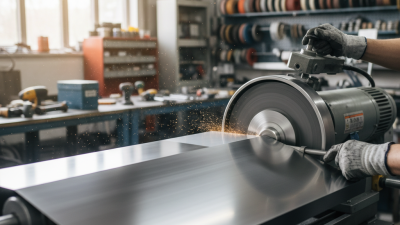
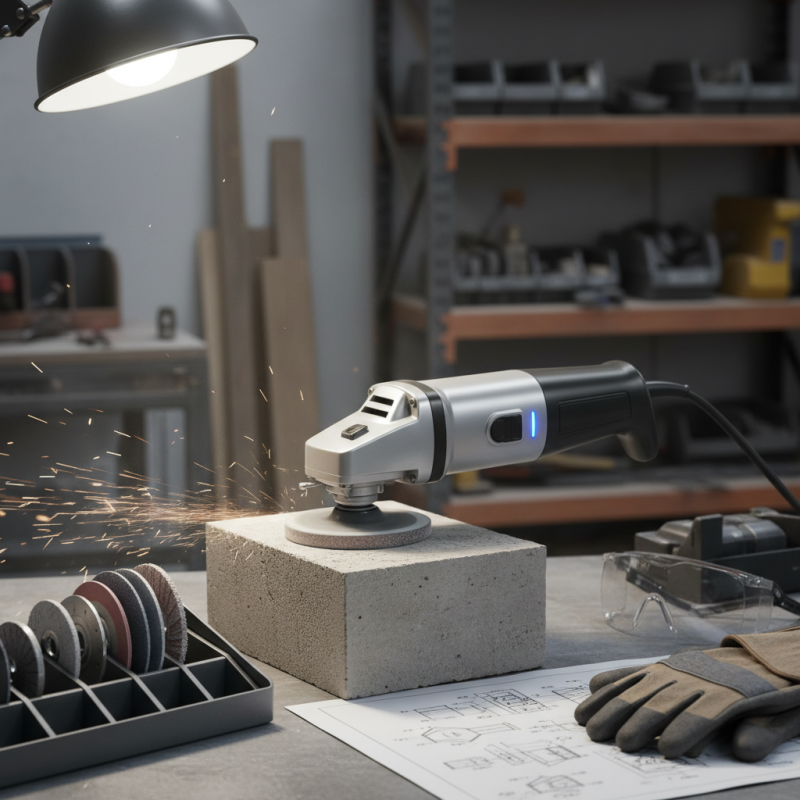
A polishing grinder is an essential tool in various industries, including woodworking and metalworking. It specializes in refining surfaces to achieve a smooth, glossy finish. This machine typically features a rotating disc or wheel, which is covered with abrasive materials. As it spins, the grinder meticulously removes imperfections, scratches, and dull spots from surfaces. Understanding its mechanics helps in choosing the right model for specific tasks.
Operating a polishing grinder requires skill and attention. The user must adjust speed and pressure based on the material being polished. For example, harder materials need a different approach compared to softer ones. It's important to remember that over-polishing can lead to surface damage. Therefore, testing on a small area first is wise. Moreover, proper maintenance of the grinder is crucial for optimal performance. A well-maintained tool enhances reliability, while neglect can lead to poor results.
Choosing the best polishing grinder demands knowledge of your specific needs. Consider factors like size, power, and versatility. Lightweight models are easier to maneuver, while heavier ones offer stability for large projects. Be wary of features that sound appealing but may complicate operation. What works for one craftsperson may not suit another. Reflecting on your own experiences can lead to better purchasing decisions. Always aim for a balance between functionality and ease of use.
Key Features to Consider When Choosing a Polishing Grinder
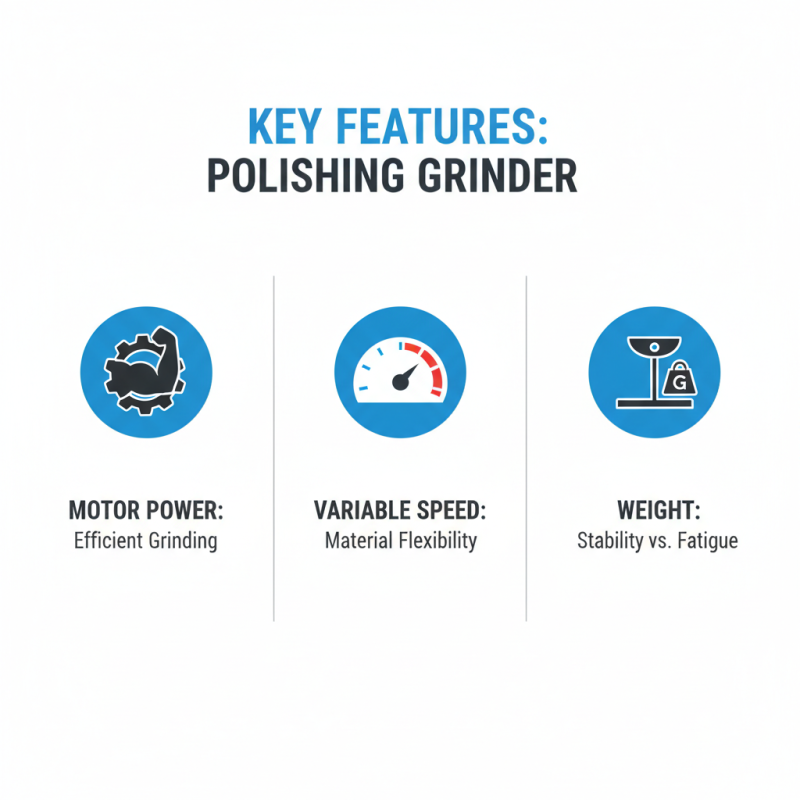
When it comes to selecting a polishing grinder, understanding key features is vital. Start with the motor power. A strong motor ensures efficient grinding. Look for variable speed settings; they offer flexibility. Different materials require different speeds. The weight of the grinder is also important. A heavier model may provide stability but can be tiring over long periods.
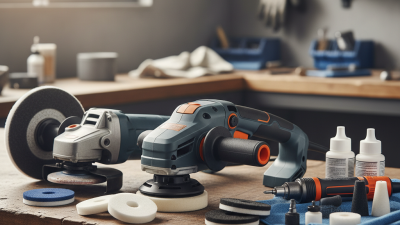
Next, consider the available attachments. Some grinders come with a variety of pads and discs. This variety can enhance versatility, catering to different surfaces and finishes. Dust collection features are essential too. A good grinder should minimize dust production. This not only keeps your workspace clean but also improves air quality. Remember, sometimes more complex models can be cumbersome. Simplicity can often lead to better results.
Lastly, think about the warranty and customer service. A solid warranty can protect your investment. Choosing a well-reviewed product usually leads to a better experience. However, reviews aren’t always definitive. They often reflect personal experiences, which may not translate universally. It’s critical to reflect on your specific needs. What works for one person might not work for you. Make a choice that truly fits your requirements.
Different Types of Polishing Grinders Available on the Market
Polishing grinders are essential tools in various industries, providing a smooth finish to surfaces. There are several types available on the market today, catering to different applications and materials. The most common types include angle grinders, bench grinders, and rotary polishers. Each type has distinct features suited for specific tasks. For example, angle grinders excel in versatility and portability, making them perfect for both metal and wood surfaces.
Industry reports indicate that the demand for polishing grinders has increased significantly. In 2022, the global polishing equipment market was valued at approximately $5 billion, with predictions suggesting a compound annual growth rate of 4% over the next five years. This growth highlights the importance of selecting the right type based on individual needs.
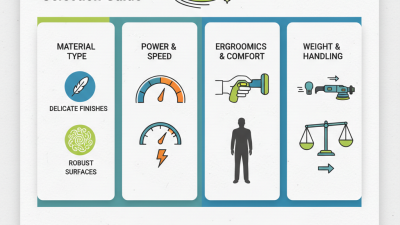
When choosing a polishing grinder, consider factors such as power, speed, and ergonomics. Different applications require different power levels. A heavier machine may provide more stability but can be tiring to use. Moreover, user feedback reveals that some machines can overheat with prolonged use, which compromises their lifespan. It is essential to weigh these aspects carefully before making a selection. Understanding the various types of polishing grinders can significantly impact your productivity and the quality of your finished product.
Factors That Affect the Performance of a Polishing Grinder
When selecting a polishing grinder, several factors come into play. The motor power is crucial. A more powerful motor allows for faster polishing, which can greatly affect efficiency. Consider the speed settings available. Adjustable speeds can accommodate different materials, providing versatility for various polishing tasks.
The grinding wheel material also influences performance. Different materials serve different purposes. For instance, diamond wheels are great for hard materials but may not be ideal for softer surfaces. Choose a wheel type that aligns with your specific needs to ensure optimal results. Additionally, the design of the grinder should fit comfortably in your hand. A well-designed handle reduces fatigue during longer projects.
Lastly, think about the weight and portability of the grinder. A heavier model can provide stability but may be cumbersome for extended use. However, lightweight models might be easier to maneuver but may lack power. Balancing these elements is key. Reflecting on these factors will help you make an informed choice for your polishing needs.
What is a Polishing Grinder and How to Choose the Best One? - Factors That Affect the Performance of a Polishing Grinder
| Feature |
Description |
Importance |
| Motor Power |
Refers to the wattage of the grinder's motor, affecting its efficiency. |
High power ensures better performance on tougher materials. |
| Speed Settings |
Variable speed control allows adjustment based on the material. |
Versatility in polishing different surfaces. |
| Disk Size |
The diameter of the polishing disk used for grinding. |
Larger disks cover more area but may be harder to control. |
| Weight |
The overall weight of the grinder can affect usability. |
Lightweight models are easier to handle for extended use. |
| Dust Collection |
Built-in dust collection systems help maintain a clean work area. |
Enhanced visibility and reduced health risks. |
Tips for Maintaining and Ensuring Longevity of Your Polishing Grinder
Maintaining a polishing grinder is crucial for ensuring its longevity and optimal performance. Regular cleaning can prevent dust buildup that might affect the motor. After each use, take a few minutes to wipe down the exterior and clear any debris from the work surface. Dust can cause overheating and decrease efficiency. Inspect the grinding surface for wear and replace it promptly if damaged. This helps maintain a smooth finish on your projects.
Proper storage is equally important. Keep the grinder in a dry place, away from direct sunlight. Moisture can corrode parts over time. Using a protective cover can shield it from dust and accidental damage. Ensuring that all parts are securely fastened before storage will prevent unnecessary wear.
Lastly, consider the grinding material you use. Various materials require different levels of pressure and speed. Using the wrong settings can lead to premature wear and tear. Regularly consult the user manual for guidelines. Adjusting your technique to match the material ensures more consistent results and extends the life of the grinder. Stay attentive to its performance and be ready to adapt.