Choosing the right concrete polishing tools can determine whether a floor looks refined or permanently uneven. Buyers must evaluate more than machine size, motor power, or promotional claims. They should consider concrete hardness, project area, dust control, operator experience, maintenance access, and expected finish level.
Robert M. Harris, a respected decorative concrete educator and author, has often emphasized, “The key to a successful polished concrete floor is proper surface preparation.” That principle remains practical. Even the strongest grinder cannot correct poor inspection, incorrect diamond selection, or rushed repairs. The surface tells the truth.
This guide examines the top 10 concrete polishing tools for buyers who need dependable results. It compares planetary grinders, edge grinders, diamond tooling, dust extractors, burnishers, densifier sprayers, moisture meters, and supporting equipment. Each tool serves a different stage of the process. Some improve production speed. Others protect finish quality and worker visibility.
However, “top” does not mean universally best. A compact edge machine may outperform a large grinder in a crowded renovation. A powerful vacuum may still disappoint when filters clog too quickly. These details are easy to overlook.
Real projects are rarely perfect. Slabs may contain soft aggregate, old coatings, cracks, or unexpected moisture. Therefore, buyers should match tools to actual site conditions, not ideal specifications. The following overview focuses on performance, reliability, usability, and long-term value. It also recognizes an uncomfortable truth: cheaper equipment can become expensive when it creates rework, dust problems, or inconsistent polishing.
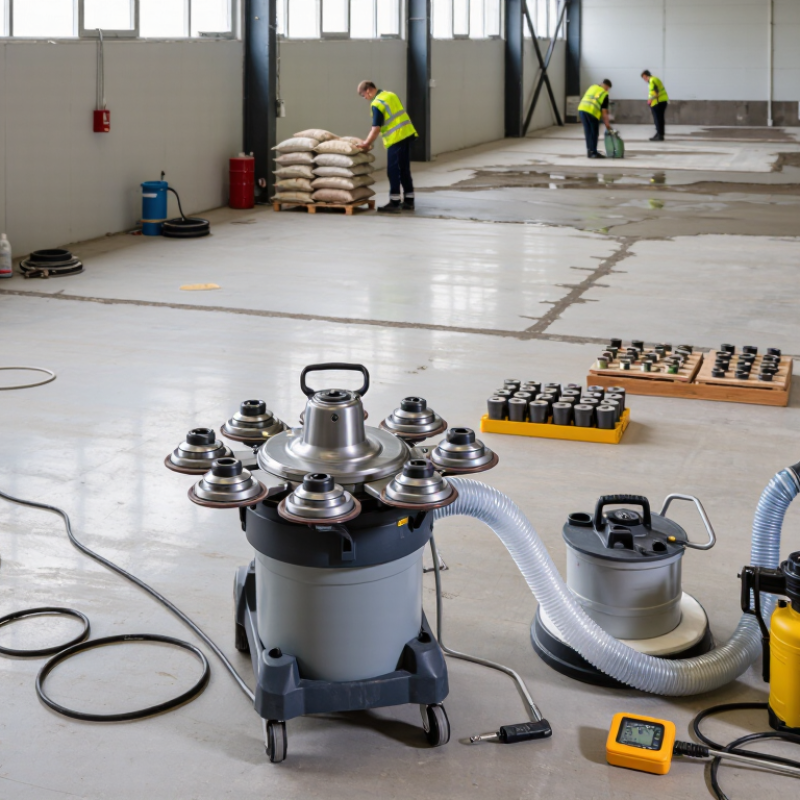
Concrete polishing tools transform a rough slab into a dense, reflective surface through controlled abrasion.
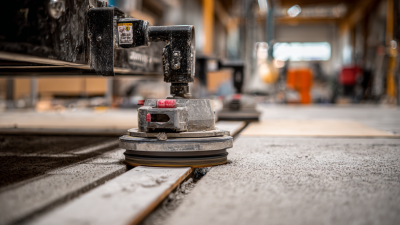
The process begins with metal-bond diamond tooling, which removes coatings and uneven cement. A planetary grinder uses several rotating heads for balanced cutting across large floors. A single-disc grinder offers more direct control in smaller areas. Edge grinders reach corners that large machines cannot.
Resin diamond pads refine the surface through progressively finer grits. A burnisher then creates additional sheen through high-speed friction. Dust extractors capture airborne particles, while HEPA vacuums improve visibility and workplace cleanliness. A diamond cup wheel removes stubborn spots and repairs. Moisture meters help identify conditions that may affect polishing results.
These are ten practical tool categories buyers often compare: planetary grinders, single-disc grinders, edge grinders, metal-bond diamonds, resin pads, burnishers, dust extractors, HEPA vacuums, cup wheels, and moisture meters.
Tips:
Match the tool to the floor condition, not only its advertised power. Check pad compatibility, machine weight, extraction capacity, and electrical requirements. Test a small section first. It can reveal hidden aggregate or uneven hardness. I have found that rushing between grit stages leaves visible scratches, even when the floor initially looks smooth. Tool selection is partly technical, but operator control matters just as much. Some machines feel efficient but produce poor edges. That trade-off deserves careful thought. Inspect finished areas under side lighting before approving the work.
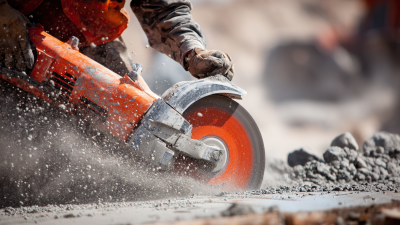
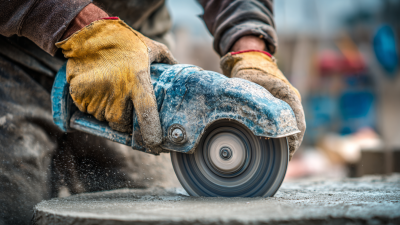
Choosing the right concrete polishing tools depends on floor size, surface hardness, dust control, and the finish required. A planetary floor grinder suits large areas and removes coatings evenly. A handheld grinder reaches corners, steps, and narrow edges. An edge grinder improves wall-side consistency, where larger machines often leave visible strips. A diamond cup wheel handles thick residue and small repairs, but aggressive grinding can create deep marks.
Buyers should also consider a wet polisher for cooler operation and reduced airborne dust. A dry polisher works faster on suitable concrete, especially when paired with a dust extractor. Diamond polishing pads create the final sheen, while different grit levels control the transition from rough scratches to a smooth surface. A floor burnisher can refine the finished floor and improve light reflection, though excessive speed may generate heat or uneven gloss.
A moisture meter is easy to overlook. It helps identify damp slabs before polishing or applying a protective treatment. I also recommend checking handle adjustment, machine weight, water flow, vacuum capacity, and replacement-part availability. Small details matter on site. No single setup is perfect. I have seen powerful grinders struggle because the operator selected the wrong diamond bond. Buyers should test a small area, record the grit sequence, and inspect the floor under direct lighting. A tool that feels efficient for ten minutes may become uncomfortable during a full shift. Safety guards, low vibration, and clear operating instructions should influence the purchase as much as advertised performance.
| Rank | Concrete Polishing Tool | Primary Application | Typical Working Width | Typical Power or Capacity | Common Abrasive or Consumable | Best Suited For | Key Buyer Consideration |
|---|---|---|---|---|---|---|---|
| 1 | Planetary Concrete Grinder and Polisher | Multi-stage grinding, honing, and polishing of large concrete floors | 20–32 in (510–810 mm) | 5–15 hp; electric models commonly use 230–480 V power | Metal-bond diamonds, hybrid abrasives, and resin pads | Commercial floors, warehouses, retail spaces, and large residential areas | Planetary movement, tooling availability, dust control, operating weight, and power requirements |
| 2 | Single-Disc Floor Grinder | Surface preparation, coating removal, and light grinding | 10–20 in (255–510 mm) | 2–7.5 hp; electric or petrol-powered options | Grinding stones, diamond segments, carbide scrapers, and abrasive discs | Small and medium floors, adhesive removal, and uneven surface correction | Disc pressure, adjustable handle, dust shroud, transport wheels, and available tooling |
| 3 | Concrete Edge Grinder | Grinding and polishing along walls, curbs, and other edges | 5–10 in (125–255 mm) | 1.5–5 hp; electric models are common | Diamond cup wheels, resin pads, and small-format diamond tooling | Perimeter work and areas inaccessible to ride-on or large walk-behind machines | Low-profile head, edge visibility, dust extraction connection, and ergonomic handling |
| 4 | Handheld Concrete Grinder | Spot grinding, concrete repair, and detail preparation | 4–7 in (100–180 mm) | 1.5–3 hp; approximately 10–20 A for corded models | Diamond cup wheels and small diamond grinding discs | Small repairs, corners, steps, vertical surfaces, and localized high spots | Vibration control, spindle size, guard design, dust shroud, and operator balance |
| 5 | Wet Concrete Polisher | Water-assisted honing and polishing with reduced airborne dust | 4–7 in handheld or 17–27 in floor models | 1.5–10 hp, depending on machine size | Wet diamond pads, resin pads, and metal-bond diamonds | Dense concrete, terrazzo-style finishes, and projects with suitable water management | Water-feed consistency, slurry collection, electrical safety, pad retention, and cleanup requirements |
| 6 | Dry Concrete Polisher | Dust-controlled polishing without water on occupied or enclosed sites | 4–7 in handheld or 20–32 in floor models | 1.5–15 hp, depending on configuration | Dry diamond tooling, resin pads, and polishing powders where appropriate | Interior projects, occupied buildings, and locations where wastewater is restricted | Dust-shroud sealing, airflow, compatible extraction, filter cleaning, and heat management |
| 7 | HEPA Dust Extractor | Collection of respirable silica dust generated during dry grinding | Not applicable; typically paired with 4–32 in grinders | 1,000–2,500+ CFM; HEPA filtration at 99.97% efficiency for 0.3-micron particles | Disposable bags, long-life filters, and automatic filter-cleaning systems | Dry grinding and polishing where dust exposure and cleanup must be controlled | Airflow, filter performance, electrical compatibility, hose diameter, noise, and dust disposal |
| 8 | Concrete Floor Burnisher | Final gloss enhancement and routine polishing of finished floors | 20–32 in (510–810 mm) | 1,000–2,000 rpm; approximately 1.5–5 hp | High-speed diamond-impregnated pads and maintenance pads | Polished concrete maintenance, commercial corridors, and high-traffic interiors | Speed control, pad balance, dust skirt, operating width, and safe machine control |
| 9 | Concrete Scarifier | Aggressive removal of coatings, laitance, and uneven surface material before polishing | 6–15 in (150–380 mm) | 3–15 hp; drum depth is often adjustable | Carbide cutters, flail cutters, and milling drums | Heavy coating removal and correction of rough or contaminated concrete | Cutting depth, drum replacement cost, dust extraction, surface profile, and machine stability |
| 10 | Diamond Polishing Pad and Tool Set | Progressive honing, scratch removal, densifier preparation, and gloss finishing | 3–32 in (75–810 mm), depending on machine | Common grit sequence: 16/20, 30/40, 60/80, 120, 220, 400, 800, 1,500, and 3,000 | Metal-bond diamonds, hybrid tools, resin pads, and burnishing pads | Buyers who already own a compatible grinder or need a flexible finishing system | Grit progression, bond hardness, tooling attachment, expected coverage, and compatibility with concrete hardness |
Note: Typical specifications vary by machine design, concrete hardness, electrical configuration, tooling, and job-site conditions. Buyers should verify local safety, electrical, and dust-control requirements before purchase.
Concrete polishing succeeds when the tool matches the surface, not when the machine looks powerful. Inspect hardness, cracks, coating thickness, moisture, and exposed aggregate before choosing equipment. A soft, sandy slab may need a planetary floor grinder with gentle diamond segments. A dense slab usually requires harder diamond bonds and slower passes. Do not guess.
For broad floors, use a planetary grinder for even scratch patterns and controlled pressure. A single-disc grinder suits small rooms and softer concrete. An edge grinder reaches corners that large machines miss. A handheld grinder works around columns, steps, and repairs.
Use a wet polisher when water can control heat and dust. Choose a dry polisher where water collection is impractical, but connect it to a suitable dust extractor. A crack-chasing tool opens narrow defects before filling.
A burnisher improves sheen on already polished surfaces. A densifier sprayer supports harder, less dusty concrete. Finally, use diamond polishing pads matched to the current scratch depth. Ten tools, but not ten automatic answers.
Tips: Start with a small test area near a wall. Check scratch removal, color change, and edge behavior under strong light. Keep the surface evenly damp during wet work. For dry grinding, inspect filters often. I once selected an aggressive segment for a hard slab and created uneven arcs; slower pressure would have worked better. Record grit, speed, and passes, because memory becomes unreliable across large floors. A moisture reading can also prevent a costly mistake.
Choosing among the top ten concrete polishing tools requires more than checking price or motor power. Consider planetary grinders, edge grinders, hand polishers, burnishers, dust extractors, wet polishers, dry polishers, vacuum systems, diamond pads, and floor scrapers. Each tool should match the floor size, concrete hardness, and polishing stage. A planetary grinder suits large areas, while a compact edge grinder reaches corners and stair edges. Diamond grit matters greatly. Coarse grit removes scratches and coatings; finer grit creates a smoother reflection. However, grit numbers vary between manufacturers, so compare actual cutting performance.
Check motor power, operating width, adjustable speed, and tool weight. A powerful motor may stall less, but excessive weight can increase operator fatigue. Variable speed helps when changing from aggressive grinding to final polishing. Look for efficient dust control, sealed components, balanced handles, and easy pad changes. Wet systems need dependable water flow and safe drainage. Dry systems need strong filtration and suitable airflow. Noise levels, vibration, cable length, and replacement-part availability also affect daily productivity. A high RPM figure can mislead if the machine lacks stable torque.
Tips: Test the tool on a small floor section first. Measure dust output, edge control, and surface consistency. Ask for technical data, maintenance intervals, and verified performance records. I have found that impressive specifications do not always guarantee comfortable operation. Sometimes, a slower machine produces better results because the operator can control pressure more accurately. Examine the finish under angled light before buying several units.
Choosing among the top 10 concrete polishing tools requires more than comparing purchase prices. The practical set includes a planetary grinder, edge grinder, metal-bond diamonds, resin pads, transitional tools, a burnisher, water-fed attachment, dust extractor, HEPA vacuum, and moisture meter. OSHA limits respirable crystalline silica exposure to 50 micrograms per cubic meter over eight hours. Therefore, dust control is a safety requirement, not an optional upgrade.
Compare each tool by measurable operating value. A sealed dust extractor may cost more initially, but it reduces cleanup time and protects filters when matched correctly. Wet grinding can lower airborne dust, yet it increases wastewater handling and drying delays. Metal-bond diamonds usually remove coatings faster, while resin pads deliver a finer finish but need regular inspection. Maintenance records should track segment wear, airflow, pad loading, and electrical faults. I often underestimate edge work. It can consume disproportionate labor. NIOSH engineering guidance supports wet methods and local exhaust ventilation for silica control, but real performance depends on setup and operator behavior.
Tips: Ask for noise, airflow, service-life, and consumable-cost data before buying. Test one tool on a representative slab, including a doorway edge. Calculate cost per polished square meter, not purchase price alone. A cheaper machine may lose value through downtime, difficult transport, or frequent repairs. Keep spare filters and diamond tooling available. My own comparison would include a small contingency, because concrete hardness and moisture rarely behave perfectly.
Comparison of common concrete-polishing tool categories using normalized buyer scores from 0 to 100. Higher scores indicate better safety, easier maintenance, lower ownership cost, or stronger long-term value.
Planetary grinders and dust-extraction systems score highly for long-term value because they support consistent production and cleaner operation. Edge grinders and hand polishers improve access in corners and tight areas but generally require more operator attention. Cost scores reflect total ownership considerations such as purchase price, consumables, maintenance, and expected service life rather than the initial purchase price alone.
| Cookie | Duration | Description |
|---|---|---|
| cookielawinfo-checkbox-analytics | 11 months | This cookie is set by GDPR Cookie Consent plugin. The cookie is used to store the user consent for the cookies in the category "Analytics". |
| cookielawinfo-checkbox-functional | 11 months | The cookie is set by GDPR cookie consent to record the user consent for the cookies in the category "Functional". |
| cookielawinfo-checkbox-necessary | 11 months | This cookie is set by GDPR Cookie Consent plugin. The cookies is used to store the user consent for the cookies in the category "Necessary". |
| cookielawinfo-checkbox-others | 11 months | This cookie is set by GDPR Cookie Consent plugin. The cookie is used to store the user consent for the cookies in the category "Other. |
| cookielawinfo-checkbox-performance | 11 months | This cookie is set by GDPR Cookie Consent plugin. The cookie is used to store the user consent for the cookies in the category "Performance". |
| viewed_cookie_policy | 11 months | The cookie is set by the GDPR Cookie Consent plugin and is used to store whether or not user has consented to the use of cookies. It does not store any personal data. |