Top 5 Asphalt Mixing Plant Options for Your Construction Needs?
asphalt mixing plants are essential in the construction industry. They play a crucial role in producing high-quality asphalt for various projects. According to the National Asphalt Pavement Association, the U.S. asphalt industry generated over $25 billion in revenue in 2020. This highlights the growing demand for reliable asphalt mixing plants.
Choosing the right asphalt mixing plant can impact project efficiency and quality. Various options are available, each tailored to meet specific construction needs. Factors such as production capacity, energy efficiency, and technology should be considered. For instance, the latest plants incorporate advanced digital controls for improved precision. However, the right choice often depends on the unique requirements of a project site.
While modern asphalt mixing plants boast innovative technology, not all options are suited for every scenario. Some may require significant capital investment, which can be a hurdle for smaller contractors. Understanding these variables is vital for making informed decisions. This guide will explore the top five asphalt mixing plant options to help you choose the best fit for your construction demands.
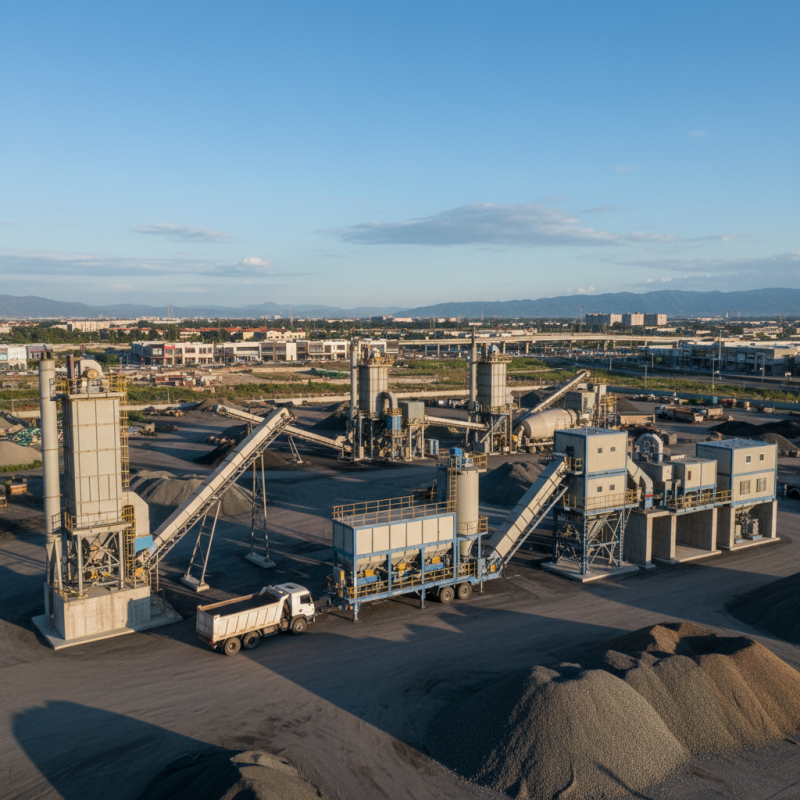
Introduction to Asphalt Mixing Plants and Their Importance
Asphalt mixing plants play a crucial role in modern construction. They are essential for producing high-quality asphalt mix, which is vital for paving roads and highways. The quality of asphalt affects road durability and performance. Efficient mixing plants ensure that the asphalt meets industry standards, thus enhancing safety and longevity.
These plants vary in size and technology, catering to different project scales. Some facilities are portable, making them suitable for small projects. Others are designed for large-scale operations, providing continuous mixing capabilities. Each type has its advantages, emphasizing the need for careful selection based on project demands.
Yet, choosing the right asphalt mixing plant can be challenging. Factors such as production capacity and maintenance requirements must be considered. Not every plant will meet specific needs perfectly. Therefore, it's essential to evaluate options critically and seek expert opinions when necessary. This approach will lead to more informed decisions, ultimately benefiting the construction process.
Key Factors to Consider When Choosing an Asphalt Mixing Plant
When selecting an asphalt mixing plant, there are several key factors to keep in mind. One important aspect is the production capacity. Depending on your project's scale, you'll need equipment capable of meeting demand. Some projects may require a high output, while others can work with smaller capacities.
Consider the technology used in the plant. Modern mixing plants offer advanced features, such as computer controls and precise temperature regulation. These features can significantly enhance the quality of your output. Evaluate the level of automation and ease of use, as this can affect your labor costs and overall efficiency.
Durability and maintenance should not be overlooked. Asphalt mixing plants often operate in tough environments. Choose a design that can withstand wear and tear. Regular maintenance is essential for longevity. It’s worth noting that some plants require more frequent servicing, which could lead to downtime. Reflect on the long-term operational costs to ensure your investment remains sound.
Top 5 Asphalt Mixing Plant Options for Your Construction Needs
| Model | Production Capacity (tons/hour) | Type | Emission Standards | Fuel Type | Price Range ($) |
| Model A | 120 | Batch | EU Stage V | Diesel | 100,000 - 150,000 |
| Model B | 150 | Continuous | US EPA Tier 4 | Natural Gas | 120,000 - 180,000 |
| Model C | 100 | Batch | ISO 14001 | Diesel | 80,000 - 130,000 |
| Model D | 180 | Continuous | US EPA Tier 4 | Diesel | 130,000 - 200,000 |
| Model E | 140 | Batch | EU Stage V | Natural Gas | 110,000 - 160,000 |
Overview of the Top 5 Asphalt Mixing Plant Options Available
When considering asphalt mixing plants, it's crucial to evaluate options based on efficiency and performance. Current industry reports indicate that the global asphalt plant market is projected to grow significantly, reaching a valuation of over $4 billion by 2026. This growth underscores the demand for reliable solutions in construction.
Flexibility is a key feature for many users. Plants that can easily switch between different asphalt mixes are increasingly sought after. Reports show that around 40% of plants now offer modular designs, allowing for quick adjustments on-site. This adaptability can greatly reduce downtime, which is a common concern in construction projects.
Technical advancements also play a vital role. Many recent models are equipped with smart technology, enhancing precision in asphalt production. Data indicates that plants with integrated monitoring systems can improve output quality by up to 30%. However, users must remember that technology also brings challenges. Continuous updates and technical support are necessary to maximize efficiency while preventing operational disruptions. Choosing the right plant involves balancing innovation with reliability.
Comparative Analysis of Features and Benefits of Each Plant
Choosing the right asphalt mixing plant can significantly influence your construction projects. A careful analysis of key features and benefits is essential. Some plants excel in efficiency, ensuring faster mixing times and reduced downtime. This can lead to higher productivity on job sites.
Other plants focus on environmental considerations, incorporating technology that minimizes emissions. Lowering the carbon footprint is becoming increasingly important in today’s construction industry.
However, it is crucial to evaluate if these plants provide comparable performance to their traditional counterparts.
Cost is another factor to examine closely. While some options may seem budget-friendly upfront, ongoing maintenance and operational costs can add up. It's critical to analyze long-term value versus initial investment. This reflection can guide you to a more informed choice, aligning with your project's specific needs.
Conclusion: Making the Right Choice for Your Construction Needs
When choosing an asphalt mixing plant, consider your specific construction needs. Different projects call for different capacities and technologies. High production rates may be essential for large projects, while smaller operations might benefit from more compact units. Assess the materials you will use, as this impacts the type of mixing plant you should consider.
Another critical factor is maintenance and support. It’s wise to look for plants that offer easy access to parts and service. A reliable support team can save you time and resources in the long run. While some options may seem ideal initially, the long-term costs can vary significantly. Reflecting on past experiences with equipment efficiency may also reveal a plant's hidden drawbacks.
Don’t overlook the environmental impact of your choice. Some mixing plants offer more sustainable options. This may align with your company’s goals for eco-friendliness. Understanding the local regulations on emissions and waste can direct your decision process. Each choice carries weight; reflect on what truly meets your operational, economic, and ethical standards.
Top 5 Asphalt Mixing Plant Options for Your Construction Needs
This chart displays the mixing capacity (in tons per hour) of the top 5 asphalt mixing plant options available for construction needs. This data helps identify the best choice based on production capacity.
