Top 10 Batching Plant Types for Global Buyers to Consider?
In the ever-evolving construction industry, the choice of a Batching Plant can significantly influence project success. According to industry expert John Smith, "Selecting the right Batching Plant is crucial for efficiency and output quality." Buyers around the globe face the challenge of choosing the most suitable type of Batching Plant amid numerous options.
Different projects require different setups. A small project may benefit from a mobile Batching Plant, while a large construction initiative may necessitate a fixed setup. It’s essential for buyers to understand their specific needs and the unique characteristics of each Batching Plant type. The selection process is often overwhelming, and a wrong choice can lead to delays and increased costs.
Exploring the top 10 Batching Plant types provides buyers with insights into their features and strengths. This knowledge empowers buyers to make informed decisions. However, buyers must reflect on their actual requirements versus industry norms. Understanding market offerings and adapting them to specific project demands is key to long-term success.
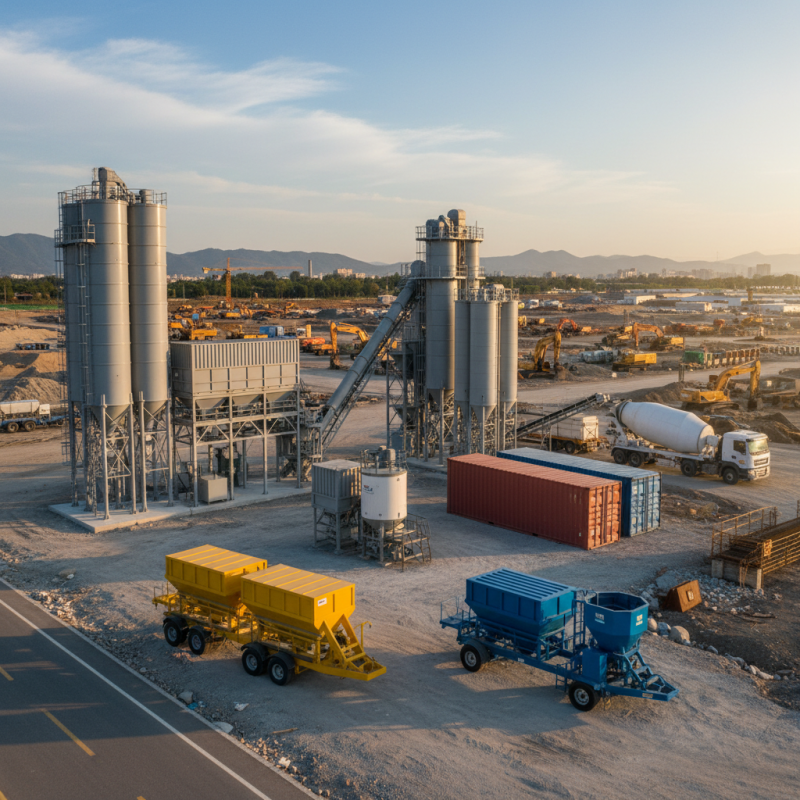
Overview of Batching Plant Types in the Global Market
In today's global market, various batching plant types cater to diverse construction needs. A study by the Global Construction Market Insights reveals that the ready-mix concrete segment dominates, accounting for over 50% of the market share due to its efficiency and consistency in quality. On the other hand, mobile batching plants are gaining traction, particularly in regions with fluctuating demand, offering flexibility and quick setup times.
Investors should consider specific features while choosing batching plants. For instance, output capacity is crucial. A portable plant might provide 20-30 cubic meters per hour, suitable for smaller projects. However, larger stationary plants can handle up to 150 cubic meters per hour, ideal for large-scale infrastructure developments.
Tip: Assess your project timeline and location needs carefully. Certain types of batching plants work better in specific climates or terrains. Additionally, consider energy efficiency ratings. These features impact operational costs and sustainability initiatives. As the industry evolves, focusing on technology, such as automation and control systems, can enhance productivity and reliability. Stay informed about these trends to make the best purchasing decision.
Factors to Consider When Choosing a Batching Plant
When considering a batching plant, multiple factors play a crucial role. The plant's capacity matters significantly. Assess your production needs carefully. A small project may require a compact unit, while large-scale operations demand higher output.
Site conditions are equally important. Is the ground stable? Are there space restrictions? These questions affect the type of batching plant you should select. Keep in mind the accessibility for maintenance as well. Regular upkeep ensures longevity and efficiency.
Tips: Evaluate the local climate. Extreme weather can impact your operations. Choose equipment that withstands local conditions for optimal performance.
Think about technological features, too. Automation can streamline your processes. However, balancing advanced technology with ease of use is critical. Complexity might lead to operational issues, which can be frustrating.
In making your choice, remember that specific needs vary widely. Reflect on past experiences and current project demands to guide your decision. A thoughtful approach can lead to effective plant selection.
Top 10 Batching Plant Types for Global Buyers
Comparison of Mobile and Stationary Batching Plants
When considering batching plants, buyers often face a choice between mobile and stationary options. Mobile batching plants offer flexibility. They can be relocated easily, catering to projects with changing sites. They tend to be smaller and can produce concrete on-demand. A report from ResearchAndMarkets indicates that mobile plant sales have seen an increase of 15% annually. This adaptability makes them appealing for small to medium-sized projects.
On the other hand, stationary batching plants are designed for high-capacity production. They excel in large projects requiring consistent quality. According to a study by MarketWatch, stationary units dominate the market, accounting for around 70% of batching plant deployments. Their robustness ensures long-term reliability but limits site mobility. For contractors focused on efficiency and scale, these plants may be the better choice.
Tips: When selecting a batching plant, assess project size and location requirements. Also, consider the logistics of materials transport. Choosing the wrong type could lead to delays or increased costs. Balancing flexibility and production needs is crucial. The right choice varies greatly depending on individual project circumstances. Always conduct thorough market research before making a final decision.
The Role of Concrete Batching Plants in Construction Industries
Concrete batching plants play a vital role in the construction industry by ensuring the consistent quality of concrete. According to a report by Research and Markets, the global concrete batching plant market size was valued at approximately $2.8 billion in 2022 and is projected to grow significantly. This growth is largely driven by the booming infrastructure sector worldwide.
Batching plants come in various types, tailored to specific project needs. For instance, fixed plants are often preferred for large construction projects due to their capacity for high-volume output. A study by the Global Research Institute shows that mobile batching plants gained traction, particularly in remote areas. These plants offer flexibility and the ability to produce concrete on-site, reducing transportation costs.
Despite their advantages, the industry faces challenges. Batching plants must adhere to strict regulations regarding emissions and waste management. A recent survey revealed that 45% of operators struggle with compliance, indicating room for improvement. Advancements in technology can help address these issues. Automation in batching processes can minimize human error and enhance precision, contributing to better sustainability practices.
Emerging Trends in Batching Plant Technology and Sustainability
Emerging trends in batching plant technology reflect a growing commitment to sustainability. Many manufacturers now focus on eco-friendly materials. This shift aims to reduce environmental impact while maintaining performance. Energy-efficient machinery is becoming standard. Innovations in automation further enhance production efficiency. They reduce wastage, which is a critical factor in construction projects.
Smart technology integration is also gaining traction. Batching plants can now use IoT systems for real-time monitoring. This allows for precise adjustments in material usage. Consequently, companies can minimize excess material and reduce costs. However, the implementation of such advanced systems can be challenging. Staff training is essential to navigate these new technologies effectively.
Sustainability remains a journey, not a destination. Some plants still struggle with outdated practices. Transitioning to greener methodologies requires time and effort. Addressing these challenges head-on can lead to significant improvements in both productivity and environmental stewardship. Ultimately, the future of batching plants will depend on adaptability and commitment to sustainable practices.
