Top 5 Concrete Finishing Machines You Need for Better Results?
In the world of concrete work, achieving a perfect finish is crucial. It not only enhances aesthetics but also impacts durability. To achieve this, using the right concrete finishing machines is essential. These machines vary greatly in terms of features and benefits. Selecting the best ones can sometimes be overwhelming. Yet, the right tools can significantly elevate your project's quality.
Concrete finishing machines are designed to provide smooth, consistent surfaces. They reduce labor time and improve efficiency on site. Each machine offers specific advantages, such as ease of use and enhanced control. Understanding these differences is key to making an informed choice. However, not all machines perform equally in various conditions.
It's important to consider the needs of your project. While modern machines offer sophisticated technology, they can come with a learning curve. Users should reflect on their skills and experience. Opting for more advanced machines without proper training can lead to mistakes. Focusing on a balance between technology and user experience can yield the best results. This article will explore the top options available for better concrete finishing.
Top 5 Essential Concrete Finishing Machines for Professionals
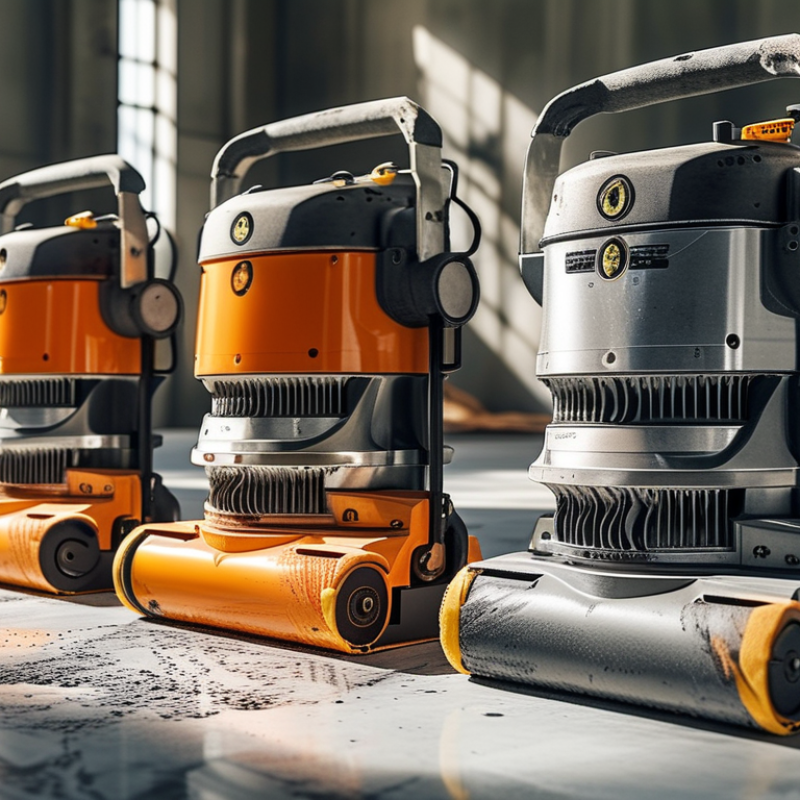
Concrete finishing machines are essential tools in the construction industry. They help ensure surfaces are smooth and durable. For professionals, having the right machines can significantly impact the quality of the finished product. Heavy-duty machines are often required for larger projects, while smaller units handle residential applications.
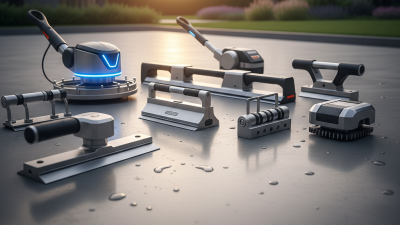
A surface grinder is one of the most crucial machines. It levels and finishes concrete slabs, providing a polished look. These machines come in various sizes, catering to different project scales. Another important tool is the trowel machine, which creates a fine finish. This machine's adjustable speed allows operators to adapt to various conditions, but inexperienced users may face challenges in maintaining a consistent surface.
Additionally, a concrete edger helps achieve clean edges, which is vital for aesthetics. It can be tricky to maneuver, demanding practice to master. Professionals often face issues like unevenness or damage if not handled carefully. While these machines can yield great results, relying solely on them without proper training can lead to disappointing outcomes.
Key Features to Look for in Concrete Finishing Machines
When choosing concrete finishing machines, several key features impact performance. A powerful engine is crucial. Machines with at least 5 horsepower ensure consistent results. According to industry reports, a well-powered machine reduces the finishing time by up to 30%. This speed enhances productivity on large projects.
Moreover, weight matters too. Heavier machines typically provide better stability. This results in a smoother finish. Studies indicate that machines weighing over 200 pounds improve surface quality significantly. Vibration control features are also essential for precision. Excessive vibration can lead to uneven surfaces.
Another factor to consider is ease of operation. Intuitive controls allow operators to achieve high-quality finishes without extensive training. User-friendly designs also minimize the risk of errors. In this competitive industry, efficiency and quality go hand in hand. Investing in the right machines influences final results. Balancing power, weight, and usability is vital for success.
Comparative Analysis of Machine Types for Different Project Sizes
When selecting concrete finishing machines, understanding project sizes is crucial to ensure optimal results. For small residential tasks, handheld tools can suffice. Their affordability and portability make them accessible for homeowners and small contractors. However, larger commercial projects demand robust machines. A ride-on trowel might be necessary to cover larger areas efficiently. Studies indicate that larger machines significantly reduce finishing time, thus minimizing labor costs.
Additionally, the choice of equipment impacts the final surface quality. For example, laser-guided machines provide consistent results. They enable contractors to achieve a flat surface while adhering to stringent leveling specifications. Research shows that projects that utilize advanced finishing machines see a 30% improvement in surface quality and longevity.
Tip: Always assess the specific needs of your project before choosing a machine. Mismatched equipment can lead to increased rework and wasted resources. Investing in the right machine for your project's scale can enhance efficiency and reduce costs.
Tip: Don’t overlook the importance of operator training. Many machine failures stem from user error. Proper training ensures that operators can fully utilize the machine’s capabilities, leading to better quality finishes.
Industry Statistics on Productivity Gains with Modern Finishing Machines
In recent years, the concrete finishing industry has seen significant advancements. Modern finishing machines have transformed how projects are completed. Industry statistics reveal that these machines can enhance productivity by up to 30%. Improved efficiency leads to faster project turnarounds and reduced labor costs. The ability to achieve smoother surfaces also minimizes the need for extensive post-finishing work.
However, the transition to modern equipment is not without challenges. Some operators may find the learning curve steep, potentially leading to initial productivity dips. Training sessions are vital to help teams adapt. Moreover, with increased automation, the risk arises of reduced craftsmanship. Striking a balance between machine efficiency and skilled labor remains essential. Continuous reflection on these changes will help teams optimize both quality and speed.
Maintenance Tips to Maximize Lifespan of Concrete Finishing Equipment
Maintaining concrete finishing equipment is crucial for optimal performance. Regular checks can prolong the equipment's lifespan. Inspect the blades and trowels for wear. Replace them promptly when you notice signs of damage. Neglecting these components can lead to uneven finishes.
Daily cleaning is equally important. After each use, remove any concrete residue. This prevents buildup, which can impair functionality. Just a few minutes of cleaning can save you hours of work later. Store the equipment in a dry place. Moisture can cause rust and ruin electrical components.
Keep an eye on the hydraulic systems. Look for leaks or abnormal noises. They could indicate deeper issues. Regularly change the hydraulic fluid to maintain efficiency. Ignoring these small tasks can lead to costly repairs. Reflecting on these points can improve your work quality and extend your equipment's life.
Top 5 Concrete Finishing Machines You Need for Better Results
This chart displays the efficiency ratings and average lifespan of the top 5 concrete finishing machines. The data highlights the importance of choosing the right equipment for maximizing performance and longevity.