What Are the Top UV Small Printers for Global Buyers?
Global buyers are paying closer attention to Uv Small Printers as customized packaging, promotional products, and short-run décor continue to expand. These compact machines can print vivid graphics on acrylic, wood, metal, glass, leather, and coated plastics. However, a small footprint does not guarantee simple operation. Ink curing, printhead maintenance, color consistency, and substrate testing still demand practical knowledge.
Print-technology consultant David Zwang offers a useful reminder: “Reliability matters more than a specification sheet.” That principle shapes this guide. The leading models are assessed through real purchasing concerns, including resolution, print speed, white-ink performance, varnish options, software compatibility, after-sales service, and shipping support. A printer producing sharp images on a sample board may perform differently after several weeks of daily production. That detail is easy to overlook.
Global buyers should also examine voltage requirements, warranty coverage, replacement-part availability, and operator training. A low purchase price can become expensive when support is distant or consumables are difficult to source. Ask for sample prints. Test fine text, gradients, raised effects, and adhesion on the materials you actually use.
No shortlist is perfect. Some machines offer impressive features but require patient calibration. Others appear less advanced yet deliver steadier output. The right choice depends on production volume, material range, budget, and local technical support. This comparison explores the strongest Uv Small Printers for international buyers, while acknowledging a practical truth: specifications help, but consistent results decide the investment.
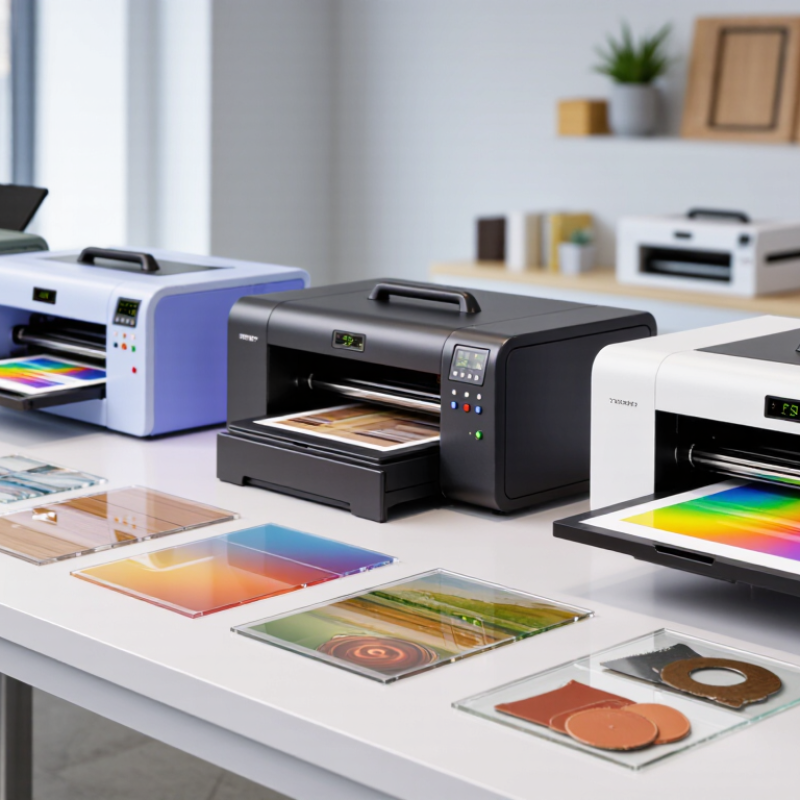
What Are UV Small Printers and How Do They Work?
UV small printers are compact digital machines designed for direct printing on rigid or flexible materials. They commonly handle acrylic, wood, glass, metal, leather, and coated plastics. Unlike traditional printers, they do not require separate transfer paper. Many models use CMYK, white, and clear varnish inks. This supports textured lettering, dark-surface graphics, and raised decorative effects.
During printing, a piezoelectric printhead places microscopic ink droplets onto the material. UV LED lamps then expose those droplets to ultraviolet light. The light rapidly polymerizes the ink and fixes it to the surface. It cures instantly. White ink usually forms a base layer before color printing. Clear varnish can add gloss or a tactile finish. In practice, ink adhesion still depends on surface preparation, material energy, and curing settings. The word “small” can mislead.
Grand View Research estimates the global UV printer market may grow at roughly 10% annually through 2030. Smithers also identifies shorter runs, customization, and faster production as major digital-print drivers. For global buyers, footprint is only one measurement. Check printable height, nozzle configuration, maintenance access, ventilation, and regional electrical standards. Measure twice. A compact printer can still demand careful calibration and regular cleaning. Test samples matter, especially on glass or uncoated metal, where attractive first impressions may not survive handling.
Which Features Matter Most for Global Buyers?
What Are the Top UV Small Printers for Global Buyers?
Global buyers should judge UV small printers by workflow reliability, not showroom speed. A compact printer must handle different voltage standards, languages, substrates, and shipping conditions. According to Smithers’ 2024 report, digital packaging print is forecast to grow from about $22 billion in 2023 to nearly $37 billion by 2028. This growth increases demand for short runs, fast setup, and stable color control.
Check printhead availability, ink shelf life, and maintenance access before comparing resolution. A machine producing sharp images on acrylic may struggle with glass, leather, or textured boards. Test the ink first. UV-curable ink also needs consistent curing, because weak adhesion can cause peeling during transport. Grand View Research estimates the UV-curable inks market will expand at roughly 8% annually through 2030, making ink compatibility an increasingly important purchasing factor.
For overseas use, remote diagnostics, replaceable parts, and clear training materials matter greatly. Ask for measured output data, including nozzle stability after several hours, rather than accepting peak speed claims. Energy consumption also deserves attention. A smaller footprint can reduce workshop costs, but it may limit media size and ventilation options. I have found that buyers sometimes prioritize a low purchase price and underestimate technical support. That is a costly assumption. No specification replaces a local sample test, especially when humidity, dust, and operator experience vary between markets.
How Do the Top UV Small Printers Compare?
Comparing top UV small printers starts with actual working conditions, not glossy specifications. A compact model may fit beside a workbench, yet its usable print area can vary sharply. Measure your common products before choosing. A machine built for phone cases may struggle with panels, signage, or uneven objects. Print width matters.
Print quality depends on more than resolution. Look for stable color control, precise white ink layering, and consistent ultraviolet curing. White ink is especially important on dark materials. Poor circulation can create blocked nozzles and uneven coverage. Ask for sample prints on acrylic, wood, metal, and coated plastic. One sample is not enough.
Speed also needs careful comparison. Advertised production rates often exclude cleaning, loading, alignment, and curing adjustments. A slower printer may produce more saleable pieces each hour. Check software usability, material height tolerance, and maintenance access. Operators should be able to reach the printhead safely and clean it without guesswork. Small details matter.
Running cost deserves equal attention. Ink usage, replacement parts, ventilation needs, and wasted test media can change the budget. Choose a printer with clear technical documentation and responsive service support. Warranty language should explain printhead coverage, training, and expected maintenance. I would test a full workday before purchasing. Short demonstrations can hide heat buildup, color drift, or difficult setup. No printer is perfect.
What Materials and Applications Do They Support?
For global buyers, a small UV printer is valuable because it prints directly on rigid surfaces. Common substrates include acrylic, PVC, polycarbonate, aluminum, coated steel, glass, ceramic tile, wood, leather, and selected textiles. UV LED curing hardens ink almost immediately. It enables white layers, sharp graphics, and raised textures. Smithers’ 2024 study forecasts digital packaging print to grow from about 22 billion dollars in 2023 to over 36 billion dollars by 2028. This supports short-run packaging mockups, although compact machines may not manage continuous factory volumes.
Typical applications include retail signs, phone covers, wedding gifts, cosmetic boxes, control panels, decorative tiles, and personalized desk items. A flatbed with adjustable height is useful for uneven objects. Rotary accessories can support bottles, tubes, and cylindrical gifts. Small printers also serve prototype work, where designers test artwork before ordering thousands of units. Fast changeovers matter here.
Material testing remains essential. Glass may need primer. Some plastics repel ink. Wood can absorb it unevenly. A glossy sample can mislead. I would test adhesion after scratching, wiping, and mild heat exposure. Grand View Research projects the UV curing systems market to expand at roughly 8 percent annually through 2030, reflecting wider use of UV-based production. Still, reported growth does not guarantee reliable output. Ink compatibility, curing energy, ventilation, white-ink maintenance, and local safety requirements deserve equal attention.
How Can Buyers Choose the Right UV Small Printer?
Choosing the right UV small printer starts with your actual workflow, not its advertised resolution. Measure your largest products, daily output, and available workspace. A compact machine may fit a studio, but its print area could limit phone cases, signs, or promotional items. Test it.
Request sample prints on your own materials. Use acrylic, coated metal, wood, or other planned surfaces. Check fine text, white ink coverage, color consistency, and curing strength after handling. Ask for documented ink specifications, operating temperature, power requirements, and regional safety compliance. These details matter for global buyers. A clear sample is more useful than a polished brochure.
Calculate the complete cost over one year. Include ink, printhead maintenance, cleaning fluid, electricity, packaging, shipping, and expected downtime. A lower purchase price can become expensive when replacement parts are difficult to obtain. Confirm training, remote support hours, warranty coverage, and spare-part delivery times. Get these promises in writing.
Consider daily usability as well. A stable platform, simple calibration, and accessible maintenance areas reduce operator mistakes. Observe how quickly the printer recovers from a clogged nozzle. That small test can reveal more than a specification sheet. No choice is perfect. A faster model may create more waste, while an easier machine may offer fewer advanced controls. Buyers should compare these compromises honestly before ordering.
