Essential Welding Protection Tips for Safe Work Practices?
Welding Protection is vital for maintaining a safe working environment. According to the American Welding Society, nearly 500,000 people work in this industry in the U.S. alone. Each year, thousands of injuries occur due to inadequate protection. Common hazards include burns, eye injuries, and inhalation of harmful fumes.
Employers often overlook essential protective measures. The National Institute for Occupational Safety and Health (NIOSH) reports that 85% of welding-related injuries could be prevented with the right safety gear. Workers must understand the importance of proper helmets, gloves, and protective clothing. Without adequate welding protection, the risks can escalate quickly.
It's easy to underestimate these dangers. Many welders may not realize that even short exposures to fumes can lead to serious health issues. Therefore, proper training and the use of protective equipment are crucial for everyone in the field. Taking these steps not only enhances safety but also promotes a culture of care.
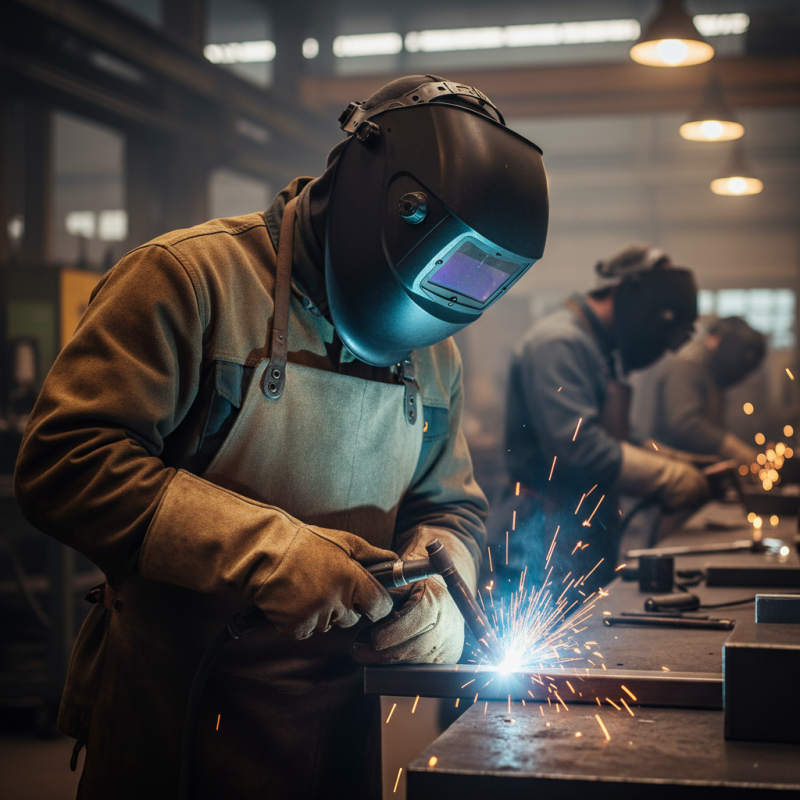
Understanding the Importance of Welding Safety Gear
Welding safety gear is essential. It protects workers from serious injuries and accidents. The right gear shields against sparks, heat, and harmful radiation. Without proper equipment, even a small job can lead to serious harm. This is why understanding the different types of safety gear is crucial.
A welding helmet, for instance, is non-negotiable. It protects the eyes from bright lights and UV rays. Many people forget to check their helmet's condition. A cracked lens can render it useless. Gloves are another critical component. They should be flame-resistant and comfortable. Yet, some welders use old, worn-out gloves. This compromises safety and can lead to burns.
Protective clothing, like fire-resistant jackets, reduces risk. They help prevent severe burns from sparks and hot metal. Many workers overlook the importance of boots. Steel-toed boots can prevent injuries from heavy falling objects. The importance of safety gear is often underestimated until accidents happen. Prioritizing safety gear not only protects the individual but also promotes a safer work environment.
Types of Personal Protective Equipment for Welders
Welding can be hazardous. Proper personal protective equipment (PPE) is crucial for safety. Welders should wear helmets with proper filters. The helmet shields the face from harmful sparks and intense light. It is essential to ensure the helmet fits well. A loose helmet can lead to injuries.
Gloves are another vital protective item. They should be made of heat-resistant material. Welders often face hot metals. Poor gloves can lead to burns and injuries. Ensure gloves cover the entire hand. Sometimes, welders wear sleeves or long jackets. This equipment protects the arms from sparks and heat.
Safety goggles are also important. They protect the eyes from flying debris. Poor vision can occur without them. Goggles should fit snugly to prevent any gaps. Compliance with safety standards is not an option; it's a requirement. Reflecting on past welding jobs can highlight how negligence leads to injuries. Looking back can teach valuable lessons. Safety cannot be an afterthought.
Best Practices for Maintaining Welding Equipment
Maintaining welding equipment is crucial for safe practices. Regular inspections can prevent accidents. Check connections and hoses for leaks. Replace worn-out parts promptly. It’s easy to overlook these details, but neglect can lead to dangerous situations. Keep your workspace clean and organized. Clutter can cause accidents as poorly maintained equipment.
Use appropriate personal protective equipment (PPE) when working. Gloves, helmets, and masks protect against burns and fumes. Yet, many forget these essentials in a rush. Create a checklist to ensure you have everything needed before starting. This small step can enhance safety significantly.
Training is also vital. Ensure everyone knows how to use equipment correctly. Mistakes can happen even to experienced welders. Regular refresher training helps to keep knowledge fresh. Encourage a culture where workers speak up if they notice issues. Learning from each other can prevent future errors.
Essential Welding Protection Tips for Safe Work Practices
| Tip | Description | Frequency |
| Use Proper PPE | Always wear appropriate personal protective equipment such as welding helmets, gloves, and protective clothing to prevent injuries. | Every Job |
| Check Ventilation | Ensure the work area is well-ventilated to avoid inhaling harmful fumes. | Before Each Job |
| Inspect Equipment Regularly | Conduct regular inspections of welding equipment for any signs of wear or damage. | Weekly |
| Maintain Safe Distances | Keep flammable materials and equipment at a safe distance from the welding area. | Every Job |
| Use Proper Fire Extinguishers | Have appropriate fire extinguishing equipment nearby that is suitable for welding-related fires. | Every Job |
| Follow Manufacturer Guidelines | Adhere to the equipment manufacturer's instructions for safe operation and maintenance. | Ongoing |
Creating a Safe Work Environment for Welding Activities
Creating a safe work environment for welding activities is essential. According to the National Institute for Occupational Safety and Health (NIOSH), more than 5,000 workers in the US alone are injured in welding-related incidents each year. The risks are significant, including exposure to harmful fumes, burns, and accidents.
Proper ventilation is crucial. Adequate airflow helps minimize the accumulation of toxic gases. A well-ventilated area can reduce the likelihood of respiratory issues. Use exhaust systems where possible. Employers and workers must prioritize this.
Moreover, protective gear is vital. Wear gloves, helmets, and protective clothing without fail. Studies indicate that about 40% of workers do not wear proper safety equipment consistently.
Regular safety training sessions can bridge the knowledge gap. Many workers feel unprepared for emergencies; about 20% of them report lacking basic safety skills. Maintaining clear communication about safety protocols can reduce accidents. It's important to encourage workers to voice concerns. Regular assessments of the workspace can identify hazards before accidents happen. A proactive approach can save lives and ensure a safer working environment.
Emergency Procedures and First Aid for Welding Accidents
Welding is a vital process in many industries. However, it carries risks. Inappropriate handling can lead to severe accidents. Research shows that around 50% of welding accidents are due to improper safety procedures. Workers must know how to respond when incidents occur.
In the event of a welding accident, immediate action is crucial. Burns are common among welders. They can result from sparks or molten metal. If a burn occurs, cool it with running water for at least 20 minutes. Cover it with a clean, non-stick dressing. For more severe burns, seeking professional medical attention is essential. Many workplaces lack proper first-aid training. This gap can lead to increased recovery times.
Fires are another concern. An alarming statistic indicates that welding activities are responsible for up to 25% of industrial fires. Workers should be ready with fire extinguishers nearby. In case of a fire, evacuate immediately and notify emergency services. A fire can escalate quickly. It’s easy to underestimate this risk. Regular safety drills can improve readiness, but often they are overlooked. This negligence can lead to dire consequences.
